Pearland Underinsured Motorist Accident Lawyer
Injured by a Driver Who Did Not Have Enough Insurance?
A driver can have automobile insurance and still not have enough coverage to pay for the injuries and losses caused by a serious accident.
For example, another driver may carry $30,000 in liability coverage while your medical expenses, lost income, future treatment, and other legally recoverable damages are substantially greater.
When the at-fault driver's available liability insurance is insufficient, underinsured motorist (UIM) coverage may provide an additional source of compensation if you have applicable coverage.
The Law Office of James Zier, P.C. represents injured people in Pearland, Houston and surrounding communities in claims involving underinsured motorists. When you work with our firm, Founder and Managing Attorney James Zier has more than 25 years of experience and remains personally involved in your case from start to finish.
Pearland Underinsured Motorist Accident Lawyer
Injured by a Driver Who Did Not Have Enough Insurance?
A driver can have automobile insurance and still not have enough coverage to pay for the injuries and losses caused by a serious accident.
For example, another driver may carry $30,000 in liability coverage while your medical expenses, lost income, future treatment, and other legally recoverable damages are substantially greater.

When the at-fault driver's available liability insurance is insufficient, underinsured motorist (UIM) coverage may provide an additional source of compensation if you have applicable coverage.
The Law Office of James Zier, P.C. represents injured people in Pearland, Houston and surrounding communities in claims involving underinsured motorists. When you work with our firm, Founder and Managing Attorney James Zier has more than 25 years of experience and remains personally involved in your case from start to finish.
Call (281) 485-3377 for a free consultation.

What Is Underinsured
Motorist Coverage?
Underinsured motorist coverage is insurance coverage that can protect you when another driver's available liability insurance is not enough to cover the damages you are legally entitled to recover.
Texas Insurance Code § 1952.103 defines an "underinsured motor vehicle" as an insured vehicle with collectible liability coverage whose limits are lower than the applicable underinsured motorist limits, including circumstances where the liability limits have been reduced by payments arising from the same accident.
Texas law also provides that UIM coverage must provide for payment of amounts the insured is legally entitled to recover from the owner or operator of an underinsured motor vehicle, subject to the applicable policy limit and statutory requirements.
The precise amount available in an individual case depends on the insurance policies, damages, liability, payments already made, and other circumstances.
What Is Underinsured Motorist Coverage?
Underinsured motorist coverage is insurance coverage that can protect you when another driver's available liability insurance is not enough to cover the damages you are legally entitled to recover.
Texas Insurance Code § 1952.103 defines an "underinsured motor vehicle" as an insured vehicle with collectible liability coverage whose limits are lower than the applicable underinsured motorist limits, including circumstances where the liability limits have been reduced by payments arising from the same accident.
Texas law also provides that UIM coverage must provide for payment of amounts the insured is legally entitled to recover from the owner or operator of an underinsured motor vehicle, subject to the applicable policy limit and statutory requirements.
The precise amount available in an individual case depends on the insurance policies, damages, liability, payments already made, and other circumstances.
How Does Underinsured Motorist Coverage Work?
A simplified example can help illustrate the concept.
Suppose:
- Another driver causes an accident.
- The driver has $30,000 in liability coverage.
- Your legally recoverable damages are $50,000.
- Your own automobile policy includes applicable UIM coverage.
- You may be able to recover $20,000 through UIM.
The other driver's liability insurance may pay up to its applicable limit. Depending on the circumstances, your UIM coverage may then provide additional compensation, subject to the terms and limits of the policy and applicable Texas law.
The amount of UIM recovery can depend on the value of the underlying claim, the amount recovered or recoverable from the responsible driver's insurer, your UIM policy limits, and other legal and contractual issues.
How Does Underinsured Motorist Coverage Work?
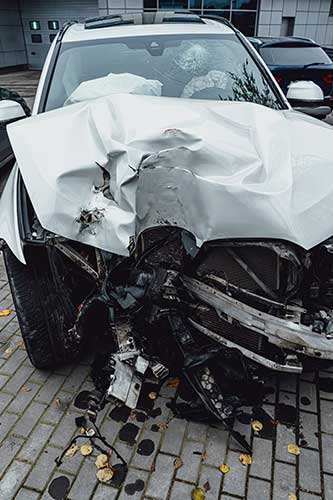
A simplified example can help illustrate the concept.
Suppose:
- Another driver causes an accident.
- The driver has $30,000 in liability coverage.
- Your legally recoverable damages are $50,000.
- Your own automobile policy includes applicable UIM coverage.
- You may be able to recover $20,000 through UIM.
The other driver's liability insurance may pay up to its applicable limit. Depending on the circumstances, your UIM coverage may then provide additional compensation, subject to the terms and limits of the policy and applicable Texas law.
The amount of UIM recovery can depend on the value of the underlying claim, the amount recovered or recoverable from the responsible driver's insurer, your UIM policy limits, and other legal and contractual issues.

What Does "Underinsured"
Mean in Texas?
A driver does not have to be uninsured to be underinsured.
The important question is whether the available liability coverage is insufficient in relation to your damages and applicable UIM coverage.
This makes the underlying personal injury claim against the at-fault driver important even when the dispute ultimately involves your own insurance company.
Underinsured motorist coverage addresses situations in which the responsible motorist has liability insurance, but the available coverage is insufficient under the circumstances.
A single automobile policy may contain both types of protection.
What Does "Underinsured" Mean in Texas?
A driver does not have to be uninsured to be underinsured.
The important question is whether the available liability coverage is insufficient in relation to your damages and applicable UIM coverage.
This makes the underlying personal injury claim against the at-fault driver important even when the dispute ultimately involves your own insurance company.
Underinsured motorist coverage addresses situations in which the responsible motorist has liability insurance, but the available coverage is insufficient under the circumstances.
A single automobile policy may contain both types of protection.
Start by reviewing your automobile insurance policy and declarations page.
Look for terms such as:
- Underinsured motorist coverage
- UIM
- UIM Bodily injury coverage
- UIM Property damage coverage
Your insurance agent or insurer can also provide information about the coverage associated with your policy. Do not assume that you do not have UIM coverage simply because you do not remember purchasing it.
Texas law requires insurers to provide UIM coverage unless it was rejected in writing.
A written rejection can affect whether UIM coverage applies.
The actual policy and applicable rejection documentation should be reviewed before reaching a conclusion about coverage. Also, you should check with an attorney to see if there are other options to receive compensation.
Your declarations page should identify the applicable UIM limits.
The amount of available coverage can be important when evaluating a serious injury claim.
For example, a policy might provide UIM bodily injury limits of:
- $30,000 per person
- $60,000 per accident
- $100,000 per person
- $300,000 per accident
These are only examples of common policy limits in Texas. The actual limits, definitions, exclusions, conditions, and other provisions of your policy may be different.
No.
Having UIM coverage does not automatically establish that an insurer owes a particular amount.
There may still be disputes concerning:
- Who caused the accident
- Whether the other driver was legally responsible
- The nature and extent of your injuries
- Whether your injuries were caused by the accident
- The amount of your damages
- The applicable policy limits
- The amount paid or available from the at-fault driver's insurer
- Whether the UIM coverage applies
- Other policy provisions
The underlying evidence should be evaluated before determining what may be recoverable.
Start by reviewing your automobile insurance policy and declarations page.
Look for terms such as:
- Underinsured motorist coverage
- UIM
- UIM Bodily injury coverage
- UIM Property damage coverage
Your insurance agent or insurer can also provide information about the coverage associated with your policy. Do not assume that you do not have UIM coverage simply because you do not remember purchasing it.
Texas law requires insurers to provide UIM coverage unless it was rejected in writing.
A written rejection can affect whether UIM coverage applies.
The actual policy and applicable rejection documentation should be reviewed before reaching a conclusion about coverage. Also, you should check with an attorney to see if there are other options to receive compensation.

Your declarations page should identify the applicable UIM limits.
The amount of available coverage can be important when evaluating a serious injury claim.
For example, a policy might provide UIM bodily injury limits of:
- $30,000 per person
- $60,000 per accident
- $100,000 per person
- $300,000 per accident
These are only examples of common policy limits in Texas. The actual limits, definitions, exclusions, conditions, and other provisions of your policy may be different.
No.
Having UIM coverage does not automatically establish that an insurer owes a particular amount.
There may still be disputes concerning:
- Who caused the accident
- Whether the other driver was legally responsible
- The nature and extent of your injuries
- Whether your injuries were caused by the accident
- The amount of your damages
- The applicable policy limits
- The amount paid or available from the at-fault driver's insurer
- Whether the UIM coverage applies
- Other policy provisions
The underlying evidence should be evaluated before determining what may be recoverable.
Do I Have to Prove the Other
Driver Was at Fault?
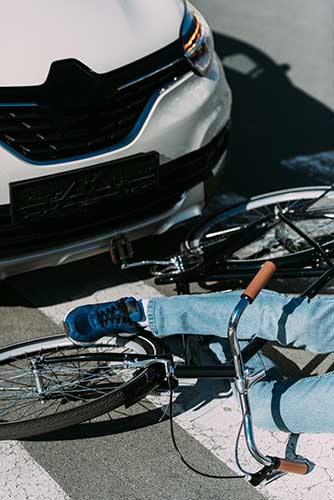
A UIM claim is not simply a claim for benefits because you were injured.
The underlying claim requires establishing that another motorist was legally responsible for the accident and that you are legally entitled to recover damages.
That can involve the same types of evidence used in an ordinary motor vehicle injury claim, including:
- Police reports
- Photographs
- Witness statements
- Video
- Vehicle damage
- Medical records
- Accident reconstruction
- Other available evidence
Do I Have to Prove the Other Driver Was at Fault?
A UIM claim is not simply a claim for benefits because you were injured.
The underlying claim requires establishing that another motorist was legally responsible for the accident and that you are legally entitled to recover damages.
That can involve the same types of evidence used in an ordinary motor vehicle injury claim, including:
- Police reports
- Photographs
- Witness statements
- Video
- Vehicle damage
- Medical records
- Accident reconstruction
- Other available evidence
Why the Underlying Accident Claim Still Matters
An insurer cannot determine the value of a UIM claim solely by looking at the other driver's policy limits. The underlying damages and liability issues remain important.
This is why it is critical for an attorney to handle both the at-fault claim and the UIM claim.

Why the Underlying Accident Claim Still Matters
An insurer cannot determine the value of a UIM claim solely by looking at the other driver's policy limits. The underlying damages and liability issues remain important.
This is why it is critical for an attorney to handle both the at-fault claim and the UIM claim.
What Types of Damages Can Be Relevant to a UIM Claim?
Depending on the circumstances and applicable law, damages can include:
- Medical expenses
- Future medical expenses
- Lost wages
- Reduced earning capacity
- Physical pain
- Mental anguish
- Physical impairment
- Disfigurement
- Loss of enjoyment of life
- Other legally recoverable losses
The value of a claim depends on the specific facts and evidence. There is no standard UIM settlement amount for cases in Pearland, Houston, or anywhere in Texas.
What Types of Damages Can Be Relevant to a UIM Claim?

Depending on the circumstances and applicable law, damages can include:
- Medical expenses
- Future medical expenses
- Lost wages
- Reduced earning capacity
- Physical pain
- Mental anguish
- Physical impairment
- Disfigurement
- Loss of enjoyment of life
- Other legally recoverable losses
The value of a claim depends on the specific facts and evidence. There is no standard UIM settlement amount for cases in Pearland, Houston, or anywhere in Texas.
Why Serious Injuries Can
Create UIM Issues
A relatively modest automobile liability policy may be sufficient to cover a minor accident but inadequate after a catastrophic injury.
For example, serious injuries may require:
- Emergency treatment
- Hospitalization
- Surgery
- Rehabilitation
- Physical therapy
- Prescription medication
- Follow-up care
- Long-term treatment
- Assistive equipment
- Future medical care
An injured person may also lose substantial income while recovering or may experience a long-term reduction in earning capacity.
When damages exceed the responsible driver's liability limits, available UIM coverage may become particularly important.

Why Serious Injuries Can Create UIM Issues
A relatively modest automobile liability policy may be sufficient to cover a minor accident but inadequate after a catastrophic injury.
For example, serious injuries may require:
- Emergency treatment
- Hospitalization
- Surgery
- Rehabilitation
- Physical therapy
- Prescription medication
- Follow-up care
- Long-term treatment
- Assistive equipment
- Future medical care
An injured person may also lose substantial income while recovering or may experience a long-term reduction in earning capacity.
When damages exceed the responsible driver's liability limits, available UIM coverage may become particularly important.
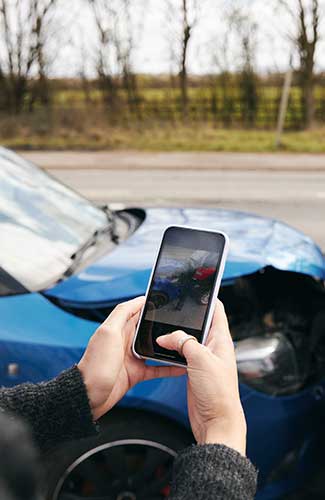
Having only the minimum required liability coverage can create a significant coverage gap after a serious accident.
Texas requires minimum liability limits for most drivers of $30,000 per injured person, $60,000 per accident for two or more injured people, and $25,000 for property damage. These are commonly referred to as 30/60/25 limits.
The responsible driver's policy limits do not necessarily represent the full value of an injured person's claim.
If damages exceed the available liability coverage and applicable UIM coverage exists, the UIM policy may provide another potential source of recovery.
A single liability policy may have both per person and per accident limits.
When several people are injured in the same collision, the available policy limits may need to be allocated among multiple claims.
This can make a serious multi-person accident more complicated.
An insurer may offer the responsible driver's liability limits when the available coverage is insufficient to fully compensate an injured person.
Before accepting a settlement, it can be important to determine whether:
- The offer represents the full applicable liability limits
- Other injured people have claims
- You have UIM coverage
- Your UIM insurer has been notified
- The settlement could affect your UIM rights
- Additional coverage may exist
Having only the minimum required liability coverage can create a significant coverage gap after a serious accident.
Do not assume that accepting the other driver's policy limits automatically resolves every potential source of recovery.
Having only the minimum required liability coverage can create a significant coverage gap after a serious accident.
Texas requires minimum liability limits for most drivers of $30,000 per injured person, $60,000 per accident for two or more injured people, and $25,000 for property damage. These are commonly referred to as 30/60/25 limits.
The responsible driver's policy limits do not necessarily represent the full value of an injured person's claim.
If damages exceed the available liability coverage and applicable UIM coverage exists, the UIM policy may provide another potential source of recovery.
A single liability policy may have both per person and per accident limits.
When several people are injured in the same collision, the available policy limits may need to be allocated among multiple claims.
This can make a serious multi-person accident more complicated.
An insurer may offer the responsible driver's liability limits when the available coverage is insufficient to fully compensate an injured person.
Before accepting a settlement, it can be important to determine whether:
- The offer represents the full applicable liability limits
- Other injured people have claims
- You have UIM coverage
- Your UIM insurer has been notified
- The settlement could affect your UIM rights
- Additional coverage may exist
Having only the minimum required liability coverage can create a significant coverage gap after a serious accident.
Do not assume that accepting the other driver's policy limits automatically resolves every potential source of recovery.
This situation can create additional complexity and serious conflict of interest issues.
The same insurance company may be handling:
- The at-fault driver's liability claim, and
- Your UIM claim.
Those are legally distinct coverage issues, even though the same insurer may be involved. It is especially important to have an attorney in these conflict-of-interest cases.
Yes. An insurer may dispute a UIM claim for a variety of reasons.
For example, the insurer may dispute:
- Liability
- The severity or cause of an injury
- The amount of damages
- Whether the other driver was underinsured
- Whether the policy provides coverage
- Compliance with policy requirements
- The amount of compensation available
A denial or low settlement offer is common and does not establish that the claim has no value. An attorney can help you get full value for your claim.
Yes. A UIM claim is different from a claim against the at-fault driver's insurer.
You purchased your own policy, but your UIM insurer will still dispute whether you are legally entitled to recover and how much.
That can create an adversarial claim process even though the insurer is your own insurance company. For that reason, it is important to understand the policy language and the legal requirements governing UIM claims.
This situation can create additional complexity and serious conflict of interest issues.
The same insurance company may be handling:
- The at-fault driver's liability claim, and
- Your UIM claim.
Those are legally distinct coverage issues, even though the same insurer may be involved. It is especially important to have an attorney in these conflict-of-interest cases.
Yes. An insurer may dispute a UIM claim for a variety of reasons.
For example, the insurer may dispute:
- Liability
- The severity or cause of an injury
- The amount of damages
- Whether the other driver was underinsured
- Whether the policy provides coverage
- Compliance with policy requirements
- The amount of compensation available
A denial or low settlement offer is common and does not establish that the claim has no value. An attorney can help you get full value for your claim.
Yes. A UIM claim is different from a claim against the at-fault driver's insurer.
You purchased your own policy, but your UIM insurer will still dispute whether you are legally entitled to recover and how much.
That can create an adversarial claim process even though the insurer is your own insurance company. For that reason, it is important to understand the policy language and the legal requirements governing UIM claims.
What Evidence Is Important
in a UIM Claim?
A strong UIM claim can require evidence concerning both liability and damages.
Important evidence may include:
- Accident reports
- Photographs
- Dashcam footage
- Surveillance video
- Witness statements
- Vehicle damage
- Medical records
- Medical bills
- Diagnostic imaging
- Treatment records
- Prescription records
- Lost-wage documentation
- Employment records
- Information concerning future medical care
- Insurance policies
- Declarations pages
- Correspondence with insurers
- Settlement offers from the at-fault driver's insurer
What Evidence Is Important in a UIM Claim?

A strong UIM claim can require evidence concerning both liability and damages.
Important evidence may include:
- Accident reports
- Photographs
- Dashcam footage
- Surveillance video
- Witness statements
- Vehicle damage
- Medical records
- Medical bills
- Diagnostic imaging
- Treatment records
- Prescription records
- Lost-wage documentation
- Employment records
- Information concerning future medical care
- Insurance policies
- Declarations pages
- Correspondence with insurers
- Settlement offers from the at-fault driver's insurer
Why Your Medical Records Matter
The UIM insurer may evaluate whether the claimed injuries were caused by the accident and how serious those injuries are.
Medical records can help document:
- The initial diagnosis
- Symptoms
- Treatment
- Objective findings
- Surgery
- Rehabilitation
- Recovery
- Permanent limitations
- Future treatment recommendations
Gaps in treatment or inconsistencies in the medical record may also become issues during a disputed claim.

Why Your Medical Records Matter
The UIM insurer may evaluate whether the claimed injuries were caused by the accident and how serious those injuries are.
Medical records can help document:
- The initial diagnosis
- Symptoms
- Treatment
- Objective findings
- Surgery
- Rehabilitation
- Recovery
- Permanent limitations
- Future treatment recommendations
Gaps in treatment or inconsistencies in the medical record may also become issues during a disputed claim.
Having a preexisting condition does not automatically prevent recovery.
The relevant question can include whether the accident caused a new injury, aggravated an existing condition, or otherwise caused compensable harm.
Your medical history will become part of the claim.
Some accident related symptoms may develop after the collision rather than immediately at the scene.
Examples can include:
- Neck pain
- Back pain
- Headaches
- Numbness
- Tingling
- Soft-tissue symptoms
- Psychological symptoms
If symptoms develop after an accident, appropriate medical evaluation can help document what happened and whether the condition is related to the collision.
The process can vary, but the insurer may request information concerning:
- The accident
- The other driver's insurance
- Medical treatment
- Lost income
- The nature of your injuries
- Your medical history
- The amount of the underlying settlement
- Your insurance policy
Having a preexisting condition does not automatically prevent recovery.
The relevant question can include whether the accident caused a new injury, aggravated an existing condition, or otherwise caused compensable harm.
Your medical history will become part of the claim.
Some accident related symptoms may develop after the collision rather than immediately at the scene.
Examples can include:
- Neck pain
- Back pain
- Headaches
- Numbness
- Tingling
- Soft-tissue symptoms
- Psychological symptoms
If symptoms develop after an accident, appropriate medical evaluation can help document what happened and whether the condition is related to the collision.

The process can vary, but the insurer may request information concerning:
- The accident
- The other driver's insurance
- Medical treatment
- Lost income
- The nature of your injuries
- Your medical history
- The amount of the underlying settlement
- Your insurance policy
Should I Accept the At-Fault Driver's Settlement Offer?
No. You should consult an attorney before accepting a settlement or signing a release.
Before accepting an offer, it can be important to determine:
- The other driver's policy limits
- Whether other insurance applies
- Whether UIM coverage exists
- The extent of your injuries
- Whether future medical treatment is expected
- Whether additional damages remain
- Whether accepting the settlement affects your UIM rights
Once a settlement or release is accepted or signed, it can affect additional claims.
Should I Accept the At-Fault Driver's Settlement Offer?
No. You should consult an attorney before accepting a settlement or signing a release.
Before accepting an offer, it can be important to determine:
- The other driver's policy limits
- Whether other insurance applies
- Whether UIM coverage exists
- The extent of your injuries
- Whether future medical treatment is expected
- Whether additional damages remain
- Whether accepting the settlement affects your UIM rights
Once a settlement or release is accepted or signed, it can affect additional claims.

How a Pearland Underinsured Motorist Accident Lawyer Can Help
The Law Office of James Zier, P.C. can review the accident, the underlying liability claim, and the applicable insurance coverage to determine what potential sources of compensation may be available.
Depending on the circumstances, representation may include:
- Reviewing the accident report
- Investigating liability
- Obtaining evidence concerning the collision
- Reviewing medical records
- Documenting financial losses
- Obtaining and reviewing insurance policies
- Identifying applicable UIM coverage
- Reviewing the at-fault driver's liability coverage
- Evaluating settlement offers
- Communicating with insurance companies
- Negotiating a UIM claim
- Pursuing litigation when appropriate
Attorney James Zier brings more than 25 years of legal experience to every case. James Zier and his team have extensive experience advocating for car accident clients and fighting to secure the full value of UIM claims.
How a Pearland Underinsured Motorist Accident Lawyer Can Help
The Law Office of James Zier, P.C. can review the accident, the underlying liability claim, and the applicable insurance coverage to determine what potential sources of compensation may be available.
Depending on the circumstances, representation may include:
- Reviewing the accident report
- Investigating liability
- Obtaining evidence concerning the collision
- Reviewing medical records
- Documenting financial losses
- Obtaining and reviewing insurance policies
- Identifying applicable UIM coverage
- Reviewing the at-fault driver's liability coverage
- Evaluating settlement offers
- Communicating with insurance companies
- Negotiating a UIM claim
- Pursuing litigation when appropriate
Attorney James Zier brings more than 25 years of legal experience to every case. James Zier and his team have extensive experience advocating for car accident clients and fighting to secure the full value of UIM claims.
Why UIM Claims Can Be Different From Ordinary Car Accident Claims
In an ordinary third-party car accident claim, you seek compensation from the driver or other party responsible for the collision.
A UIM claim can involve your own automobile insurance policy.
That means the case may require analysis of both:
- The underlying accident claim, including liability and damages; and
- The UIM policy, including coverage, limits, conditions, and applicable Texas law.
Both parts matter.
Why UIM Claims Can Be Different From Ordinary Car Accident Claims
In an ordinary third-party car accident claim, you seek compensation from the driver or other party responsible for the collision.
A UIM claim can involve your own automobile insurance policy.
That means the case may require analysis of both:
- The underlying accident claim, including liability and damages; and
- The UIM policy, including coverage, limits, conditions, and applicable Texas law.
Both parts matter.
What Should I Do After an Accident if I Have UIM Coverage?
What Should I Do After an Accident if I Have UIM Coverage?

How Long Do I Have to Pursue a UIM Claim in Texas?
UIM claims can involve different deadlines and procedural requirements depending on the facts, policy language, and legal theory involved. You need to consult an attorney to determine the deadline for your specific case.
If you believe you may have a UIM claim, obtaining legal advice promptly can help protect your rights.

How Long Do I Have to Pursue a UIM Claim in Texas?
UIM claims can involve different deadlines and procedural requirements depending on the facts, policy language, and legal theory involved. You need to consult an attorney to determine the deadline for your specific case.
If you believe you may have a UIM claim, obtaining legal advice promptly can help protect your rights.
Frequently Asked Questions About Underinsured Motorist Claims
Talk to a Pearland Underinsured Motorist Accident Lawyer
A serious accident can expose a major gap between the damages you suffered and the insurance coverage carried by the driver who caused the collision.
If you have UIM coverage, your own automobile policy may provide an additional source of compensation. But determining what is actually available can require more than simply comparing policy limits.
The Law Office of James Zier, P.C. can investigate the accident, evaluate the underlying injury claim, review applicable insurance coverage, and communicate with insurers concerning a potential UIM claim.
Founder and Managing Attorney James Zier has more than 25 years of experience and will personally advocate on your behalf. The firm offers free consultations and contingency fee representation for UIM claims and other personal injury matters.
Call (281) 485-3377 for a free consultation.
Talk to a Pearland Underinsured Motorist Accident Lawyer
A serious accident can expose a major gap between the damages you suffered and the insurance coverage carried by the driver who caused the collision.
If you have UIM coverage, your own automobile policy may provide an additional source of compensation. But determining what is actually available can require more than simply comparing policy limits.
The Law Office of James Zier, P.C. can investigate the accident, evaluate the underlying injury claim, review applicable insurance coverage, and communicate with insurers concerning a potential UIM claim.
Founder and Managing Attorney James Zier has more than 25 years of experience and will personally advocate on your behalf. The firm offers free consultations and contingency fee representation for UIM claims and other personal injury matters.
Call (281) 485-3377 for a free consultation.
If an at-fault driver’s insurance isn’t enough to cover your losses, you may have an underinsured motorist claim. Our team is available 24/7 at (281) 485-3377.
If an at-fault driver’s insurance isn’t enough to cover your losses, you may have an underinsured motorist claim. Our team is available 24/7 at (281) 485-3377.