Pearland Rear-End Accident Lawyer
Injured in a Rear-End Collision in Pearland?
A rear-end collision can happen in seconds. A driver looks down at a phone, follows too closely, fails to stop in time, or misjudges traffic—and suddenly your vehicle is struck from behind.
Even when the damage to your vehicle appears relatively minor, a rear-end crash can cause significant injuries. Neck and back pain, whiplash, disc injuries, headaches, and other symptoms may develop or become more noticeable after the collision.
If another driver's negligence caused your rear-end accident in Pearland, the Law Office of James Zier, P.C. can investigate what happened and help you pursue compensation for your injuries and losses.
Attorney James Zier has more than 25 years of experience. He remains personally involved in each case and works to protect his clients’ interests when dealing with insurance companies and other parties.
Call the Law Office of James Zier, P.C. at (281) 485-3377 for a free consultation. There is no fee unless we recover compensation.
Pearland Rear-End Accident Lawyer
Injured in a Rear-End Collision in Pearland?
A rear-end collision can happen in seconds. A driver looks down at a phone, follows too closely, fails to stop in time, or misjudges traffic—and suddenly your vehicle is struck from behind.

Even when the damage to your vehicle appears relatively minor, a rear-end crash can cause significant injuries. Neck and back pain, whiplash, disc injuries, headaches, and other symptoms may develop or become more noticeable after the collision.
If another driver's negligence caused your rear-end accident in Pearland, the Law Office of James Zier, P.C. can investigate what happened and help you pursue compensation for your injuries and losses.
Attorney James Zier has more than 25 years of experience. He remains personally involved in each case and works to protect his clients’ interests when dealing with insurance companies and other parties.
Call the Law Office of James Zier, P.C. at (281) 485-3377 for a free consultation. There is no fee unless we recover compensation.

How Rear-End Accidents Happen
Rear-end collisions are often associated with following too closely, but there can be several contributing factors.
A driver approaching the vehicle ahead must maintain enough distance to stop safely based on traffic, vehicle speed, and roadway conditions. Texas law specifically requires drivers to maintain an assured clear distance that allows them to stop without colliding with the vehicle ahead. Tex. Transp. Code § 545.062.
Common circumstances that can contribute to a rear-end crash include:
- Following too closely
- Distracted driving
- Texting or using a cellphone
- Speeding
- Driving too fast for traffic or road conditions
- Failing to notice stopped traffic
- Failing to brake in time
- Driving while fatigued
- Driving while impaired
- Aggressive or inattentive driving
- Failure to respond to changing traffic conditions
Determining what caused the collision is important. A rear-end impact does not automatically answer every question about liability. The circumstances of the crash, available evidence, and conduct of each driver should be examined.
Common Rear-End
Collision Scenarios
Rear-end accidents can occur in many different traffic situations.
Common Rear-End Collision Scenarios
Rear-end accidents can occur in many different traffic situations.
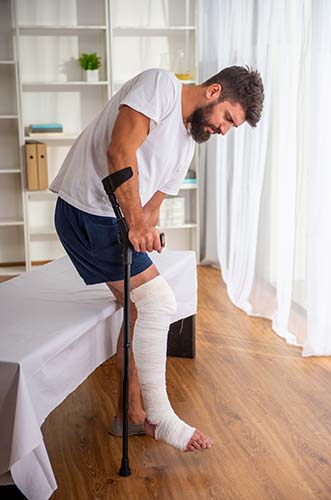
Injuries After a Rear-End Collision
The force of a rear-end impact can cause the occupants of a vehicle to move suddenly forward and backward. Depending on the circumstances, that movement may contribute to injuries involving the neck, back, head, shoulders, or other parts of the body.
Potential injuries include:
- Whiplash and other neck injuries
- Cervical spine injuries
- Herniated or bulging discs
- Lower-back injuries
- Spinal injuries
- Shoulder injuries
- Headaches
- Concussions and traumatic brain injuries
- Nerve injuries
- Soft-tissue injuries
- Aggravation of a pre-existing condition
Not every injury is immediately obvious after a car crash. Some symptoms may appear later, particularly as inflammation develops or the initial effects of the collision wear off.
If you experience pain or other symptoms after a rear-end collision, seek appropriate medical attention and follow your healthcare provider's recommendations.
Can a Rear-End Accident Cause Serious Injuries?
Yes. The severity of a rear-end collision depends on factors such as vehicle speed, the size and weight of the vehicles, the position of the occupants, whether a vehicle was stopped or moving, and whether the collision involved multiple impacts.
A low-speed impact may produce substantial injuries in some circumstances, while a high-speed collision can result in catastrophic trauma.
The visible damage to a vehicle does not necessarily establish the severity of a person's injuries. Medical records, diagnostic testing, treatment history, and other evidence may be important when evaluating an injury claim.
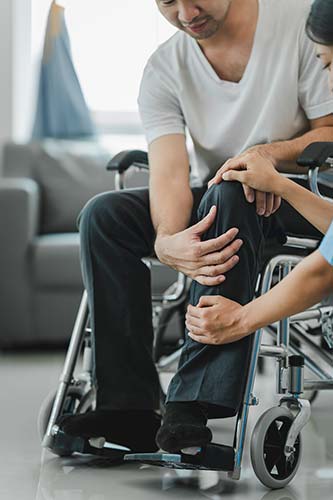
Can a Rear-End Accident Cause Serious Injuries?
Yes. The severity of a rear-end collision depends on factors such as vehicle speed, the size and weight of the vehicles, the position of the occupants, whether a vehicle was stopped or moving, and whether the collision involved multiple impacts.
A low-speed impact may produce substantial injuries in some circumstances, while a high-speed collision can result in catastrophic trauma.
The visible damage to a vehicle does not necessarily establish the severity of a person's injuries. Medical records, diagnostic testing, treatment history, and other evidence may be important when evaluating an injury claim.
Who Is Responsible for a
Rear-End Collision?
In many rear-end crashes, the investigation focuses on the actions of the driver who struck the vehicle ahead.
But liability should be determined from the evidence rather than assumed solely from the position of the vehicles.
Depending on the circumstances, an investigation may consider:
- The speed of each vehicle
- Following distance
- Traffic conditions
- Road and weather conditions
- Whether either driver was distracted
- Cellphone or electronic device evidence
- Dashcam footage
- Traffic camera footage
- Witness statements
- Vehicle damage
- Skid marks and other physical evidence
- The police crash report
- Statements made by the drivers
- Whether another vehicle contributed to a chain-reaction collision
An attorney can review the available evidence and determine what additional information may need to be obtained.
Who Is Responsible for a Rear-End Collision?
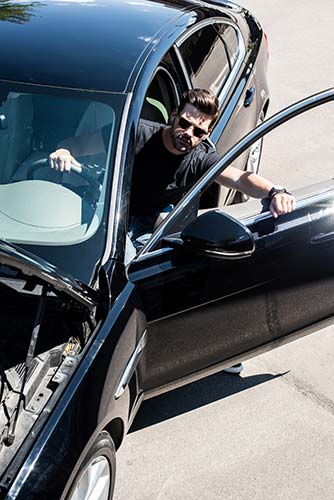
In many rear-end crashes, the investigation focuses on the actions of the driver who struck the vehicle ahead.
But liability should be determined from the evidence rather than assumed solely from the position of the vehicles.
Depending on the circumstances, an investigation may consider:
- The speed of each vehicle
- Following distance
- Traffic conditions
- Road and weather conditions
- Whether either driver was distracted
- Cellphone or electronic device evidence
- Dashcam footage
- Traffic camera footage
- Witness statements
- Vehicle damage
- Skid marks and other physical evidence
- The police crash report
- Statements made by the drivers
- Whether another vehicle contributed to a chain-reaction collision
An attorney can review the available evidence and determine what additional information may need to be obtained.
What If the Other Driver Says You Caused the Accident?
A rear-end collision can sometimes result in competing accounts of what happened.
For example, the other driver may claim that you stopped unexpectedly, that your brake lights were not working, or that another circumstance contributed to the crash. The insurance company may also attempt to assign some responsibility to you.
Texas uses a proportionate-responsibility system. Under Texas Civil Practice and Remedies Code § 33.001, a claimant whose percentage of responsibility is greater than 50% cannot recover damages under the applicable claim. If the claimant is not barred from recovery, damages are reduced according to the claimant's percentage of responsibility.
That makes the evidence surrounding the collision important. Photographs, vehicle data, witness testimony, video, medical records, and other evidence can help establish what actually occurred.

What If the Other Driver Says You Caused the Accident?
A rear-end collision can sometimes result in competing accounts of what happened.
For example, the other driver may claim that you stopped unexpectedly, that your brake lights were not working, or that another circumstance contributed to the crash. The insurance company may also attempt to assign some responsibility to you.
Texas uses a proportionate-responsibility system. Under Texas Civil Practice and Remedies Code § 33.001, a claimant whose percentage of responsibility is greater than 50% cannot recover damages under the applicable claim. If the claimant is not barred from recovery, damages are reduced according to the claimant's percentage of responsibility.
That makes the evidence surrounding the collision important. Photographs, vehicle data, witness testimony, video, medical records, and other evidence can help establish what actually occurred.
Evidence That May Help Prove a Rear-End Accident Claim
Evidence can become harder to obtain as time passes. Important information may include:
- Photographs of the vehicles and accident scene
- Photographs showing damage to the rear and front vehicles
- Police reports
- Witness contact information
- Dashcam recordings
- Nearby surveillance footage
- Traffic-camera footage, when available
- Vehicle repair estimates and records
- Medical records and bills
- Diagnostic imaging
- Employment and wage-loss documentation
- Insurance information
- Communications with insurance companies
If you have photographs or video from the collision, preserve the original files rather than relying only on screenshots or compressed copies.
Evidence That May Help Prove a Rear-End Accident Claim

Evidence can become harder to obtain as time passes. Important information may include:
- Photographs of the vehicles and accident scene
- Photographs showing damage to the rear and front vehicles
- Police reports
- Witness contact information
- Dashcam recordings
- Nearby surveillance footage
- Traffic-camera footage, when available
- Vehicle repair estimates and records
- Medical records and bills
- Diagnostic imaging
- Employment and wage-loss documentation
- Insurance information
- Communications with insurance companies
If you have photographs or video from the collision, preserve the original files rather than relying only on screenshots or compressed copies.
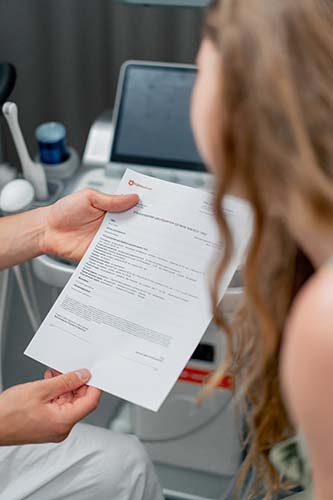
What Compensation May Be Available After a Rear-End Accident?
The compensation available in an individual case depends on the injuries, losses, evidence, insurance coverage, and other circumstances.
A claim may potentially involve losses such as:
- Emergency medical treatment
- Hospital and physician bills
- Diagnostic testing
- Prescription medications
- Physical therapy and rehabilitation
- Future medical expenses
- Lost wages
- Reduced earning capacity
- Physical pain
- Mental anguish
- Physical impairment
- Disfigurement
- Loss of enjoyment of life
- Property damage
Serious injuries may require ongoing treatment or affect a person's ability to work and participate in everyday activities. Those consequences should be considered when evaluating the full extent of a car wreck claim.
What Compensation May Be Available After a Rear-End Accident?
The compensation available in an individual case depends on the injuries, losses, evidence, insurance coverage, and other circumstances.
A claim may potentially involve losses such as:
- Emergency medical treatment
- Hospital and physician bills
- Diagnostic testing
- Prescription medications
- Physical therapy and rehabilitation
- Future medical expenses
- Lost wages
- Reduced earning capacity
- Physical pain
- Mental anguish
- Physical impairment
- Disfigurement
- Loss of enjoyment of life
- Property damage
Serious injuries may require ongoing treatment or affect a person's ability to work and participate in everyday activities. Those consequences should be considered when evaluating the full extent of a car wreck claim.

What Should You Do After
a Rear-End Collision?
If you have been injured in a rear-end crash, several steps may help protect your health and your potential claim.
What Should You Do After a Rear-End Collision?
If you have been injured in a rear-end crash, several steps may help protect your health and your potential claim.
Dealing With the Insurance Company After a Rear-End Crash
The other driver's insurance company will contact you after the accident. An insurance adjuster will ask about the collision, your injuries, your medical treatment, and other details.
Insurance companies have their own interests to protect. Before providing a recorded statement or accepting a settlement, consider having the claim evaluated by an attorney—particularly if you suffered any injuries or the insurer disputes responsibility.
A settlement should not be evaluated solely by looking at the amount of your current medical bills. The potential need for future treatment, lost income, continuing symptoms, and other consequences also matter.

Dealing With the Insurance Company After a Rear-End Crash
The other driver's insurance company will contact you after the accident. An insurance adjuster will ask about the collision, your injuries, your medical treatment, and other details.
Insurance companies have their own interests to protect. Before providing a recorded statement or accepting a settlement, consider having the claim evaluated by an attorney—particularly if you suffered any injuries or the insurer disputes responsibility.
A settlement should not be evaluated solely by looking at the amount of your current medical bills. The potential need for future treatment, lost income, continuing symptoms, and other consequences also matter.
What If the Driver Who Hit
Me Has No Insurance?
A rear-end collision does not necessarily end your options for compensation if the at-fault driver is uninsured or does not have enough insurance to cover your losses.
Depending on your insurance policy and the circumstances of the crash, uninsured or underinsured motorist coverage may provide an additional source of recovery.
These claims can involve their own requirements and disputes. The available coverage should be reviewed carefully before assuming that no recovery is possible.
What If the Driver Who Hit Me Has No Insurance?

A rear-end collision does not necessarily end your options for compensation if the at-fault driver is uninsured or does not have enough insurance to cover your losses.
Depending on your insurance policy and the circumstances of the crash, uninsured or underinsured motorist coverage may provide an additional source of recovery.
These claims can involve their own requirements and disputes. The available coverage should be reviewed carefully before assuming that no recovery is possible.
Why Choose the Law
Office of James Zier?
The Law Office of James Zier, P.C. represents injured people throughout Pearland, Houston, and surrounding communities.
Attorney James Zier brings more than 25 years of legal experience to personal injury cases and remains personally involved in his clients' cases. Your case will never be handed off to a case manager or legal assistant.
When you contact our office about a rear-end collision, we can discuss:
- How the crash occurred
- The injuries you sustained
- Available insurance coverage
- Evidence that may support your claim
- Your medical treatment and losses
- Potential legal options
The firm offers free consultations and handles injury cases on a contingency-fee basis, meaning attorney fees are not charged unless compensation is recovered.

Why Choose the Law Office of James Zier?
The Law Office of James Zier, P.C. represents injured people throughout Pearland, Houston, and surrounding communities.
Attorney James Zier brings more than 25 years of legal experience to personal injury cases and remains personally involved in his clients' cases. Your case will never be handed off to a case manager or legal assistant.
When you contact our office about a rear-end collision, we can discuss:
- How the crash occurred
- The injuries you sustained
- Available insurance coverage
- Evidence that may support your claim
- Your medical treatment and losses
- Potential legal options
The firm offers free consultations and handles injury cases on a contingency-fee basis, meaning attorney fees are not charged unless compensation is recovered.
Frequently Asked Questions About Rear-End Accidents
Possibly. Your own uninsured or underinsured motorist coverage may provide an avenue for recovery depending on your policy and the circumstances. An attorney can review the applicable coverage.
Talk to a Pearland Rear-End Accident Lawyer
If another driver rear-ended your vehicle and you suffered injuries, you do not have to deal with the insurance company alone.
The Law Office of James Zier, P.C. can review the circumstances of your collision, discuss your injuries and losses, and explain your legal options. We are available 24/7/365 at (281) 485-3377.
Have you been injured in a rear-end accident? Call (281) 485-3377 for a free consultation.
Have you been injured in a rear-end accident? Call (281) 485-3377 for a free consultation.