Auto Accident Tips:
What to Do After
a Car Accident in
Pearland, Texas
An auto accident can happen in an instant, leaving you shaken, injured, and unsure of what to do next. The decisions you make in the minutes, hours, and days following a crash can affect your health, your insurance claim, and your ability to recover compensation if another driver was at fault.
The following tips can help protect both your well-being and your legal rights after a motor vehicle accident in Texas.
Auto Accident Tips: What to Do After a Car Accident in Pearland, Texas
An auto accident can happen in an instant, leaving you shaken, injured, and unsure of what to do next. The decisions you make in the minutes, hours, and days following a crash can affect your health, your insurance claim, and your ability to recover compensation if another driver was at fault.
The following tips can help protect both your well-being and your legal rights after a motor vehicle accident in Texas.


1. Put Safety First
Your first priority should always be safety.
If possible:
- Check yourself and your passengers for injuries.
- Move to a safe location if the vehicles can be moved safely.
- Turn on your hazard lights.
- Call 911 to report the accident.
If anyone is seriously injured, avoid moving them unless there is an immediate danger, such as fire or oncoming traffic.
2. Contact Law Enforcement
Even if the accident appears minor, having an official police report can be extremely helpful for your case.
The responding officer will typically:
- Document the accident scene.
- Take statements from drivers and witnesses.
- Note road and weather conditions.
- Prepare an accident report.
This report often becomes important evidence during the insurance claims process.

2. Contact Law Enforcement
Even if the accident appears minor, having an official police report can be extremely helpful for your case.
The responding officer will typically:
- Document the accident scene.
- Take statements from drivers and witnesses.
- Note road and weather conditions.
- Prepare an accident report.
This report often becomes important evidence during the insurance claims process.
3. Seek Medical Attention
Immediately
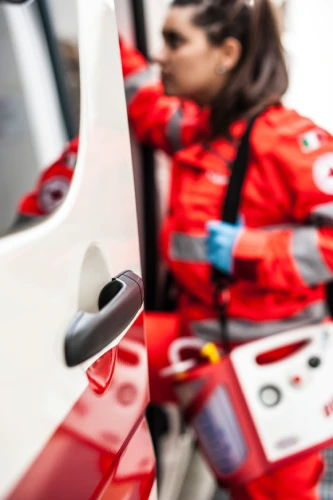
Some injuries are obvious, while others may not develop symptoms until hours or even days after the accident.
Common injuries with delayed symptoms include:
- Whiplash
- Concussions
- Traumatic Brain Injuries (TBI)
- Soft tissue injuries
- Back injuries
- Internal injuries
Prompt medical treatment protects your health and creates documentation connecting your injuries to the collision.
3. Seek Medical Attention Immediately
Some injuries are obvious, while others may not develop symptoms until hours or even days after the accident.
Common injuries with delayed symptoms include:
- Whiplash
- Concussions
- Traumatic Brain Injuries (TBI)
- Soft tissue injuries
- Back injuries
- Internal injuries
Prompt medical treatment protects your health and creates documentation connecting your injuries to the collision.
4. Exchange Information
Obtain the following information from every driver involved:
- Full name
- Address
- Phone number
- Driver's license number
- Insurance company
- Policy number
- License plate number
- Vehicle make and model
Remain polite but avoid discussing who caused the accident.

4. Exchange Information
Obtain the following information from every driver involved:
- Full name
- Address
- Phone number
- Driver's license number
- Insurance company
- Policy number
- License plate number
- Vehicle make and model
Remain polite but avoid discussing who caused the accident.

5. Document the
Accident Scene
Your smartphone can preserve valuable evidence.
Take photographs of:
- All vehicles
- Vehicle damage
- License plates
- Skid marks
- Road conditions
- Traffic signs and signals
- Weather conditions
- Visible injuries
If witnesses are present, ask for their names and contact information before they leave.
5. Document the Accident Scene
Your smartphone can preserve valuable evidence.
Take photographs of:
- All vehicles
- Vehicle damage
- License plates
- Skid marks
- Road conditions
- Traffic signs and signals
- Weather conditions
- Visible injuries
If witnesses are present, ask for their names and contact information before they leave.
6. Avoid Admitting Fault
Immediately after a collision, it is often impossible to know exactly what caused the accident.
Avoid statements such as:
- "I'm sorry."
- "I didn't see you."
- "The accident was my fault."
- "I wasn't paying attention."
Even well-intentioned comments can later be misinterpreted as admissions of liability. Instead, stick to the facts when speaking with law enforcement.

6. Avoid Admitting Fault
Immediately after a collision, it is often impossible to know exactly what caused the accident.
Avoid statements such as:
- "I'm sorry."
- "I didn't see you."
- "The accident was my fault."
- "I wasn't paying attention."
Even well-intentioned comments can later be misinterpreted as admissions of liability. Instead, stick to the facts when speaking with law enforcement.

7. Notify Your
Insurance Company
Most insurance policies require you to report an accident promptly.
When speaking with your insurer:
- Provide accurate factual information.
- Do not speculate about fault.
- Answer questions honestly.
- Keep copies of all correspondence.
If the other driver's insurance company contacts you, speak with an attorney before answering any questions or providing a recorded statement.
7. Notify Your Insurance Company
Most insurance policies require you to report an accident promptly.
When speaking with your insurer:
- Provide accurate factual information.
- Do not speculate about fault.
- Answer questions honestly.
- Keep copies of all correspondence.
If the other driver's insurance company contacts you, speak with an attorney before answering any questions or providing a recorded statement.
8. Keep Every Record
Create a file containing documents related to your accident, including:
- Medical records
- Medical bills
- Prescription receipts
- Vehicle repair estimates
- Rental car receipts
- Pay stubs showing lost income
- Insurance correspondence
- Photographs
- Police reports
These records can help demonstrate the full extent of your losses.

8. Keep Every Record
Create a file containing documents related to your accident, including:
- Medical records
- Medical bills
- Prescription receipts
- Vehicle repair estimates
- Rental car receipts
- Pay stubs showing lost income
- Insurance correspondence
- Photographs
- Police reports
These records can help demonstrate the full extent of your losses.

9. Be Careful on
Social Media
Insurance companies frequently review public social media accounts during accident investigations.
Avoid posting:
- Photos of the accident
- Information about your injuries
- Updates about your claim
- Photos or videos that could be taken out of context
Even innocent posts may be used to challenge your injury claim.
9. Be Careful on Social Media
Insurance companies frequently review public social media accounts during accident investigations.
Avoid posting:
- Photos of the accident
- Information about your injuries
- Updates about your claim
- Photos or videos that could be taken out of context
Even innocent posts may be used to challenge your injury claim.
10. Follow Your
Doctor's Instructions
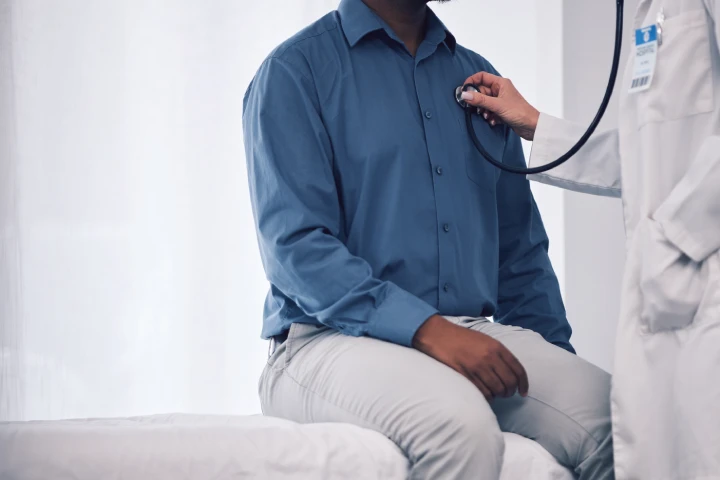
Continue attending scheduled appointments and follow your treatment plan.
Missing appointments or discontinuing treatment without medical advice may make it more difficult to prove the seriousness of your injuries.
10. Follow Your Doctor's Instructions
Continue attending scheduled appointments and follow your treatment plan.
Missing appointments or discontinuing treatment without medical advice may make it more difficult to prove the seriousness of your injuries.

11. Don't Accept the
First Settlement Offer
Without Careful Review
Insurance companies sometimes offer quick settlements before the full extent of an injury is known.
Before accepting any settlement, consider whether it covers:
- Current medical expenses
- Future treatment
- Lost wages
- Future lost income
- Pain and suffering
- Property damage
Once you accept a settlement, you cannot seek additional compensation later even if your condition worsens.
11. Don't Accept the First Settlement Offer Without Careful Review
Insurance companies sometimes offer quick settlements before the full extent of an injury is known.
Before accepting any settlement, consider whether it covers:
- Current medical expenses
- Future treatment
- Lost wages
- Future lost income
- Pain and suffering
- Property damage
Once you accept a settlement, you cannot seek additional compensation later even if your condition worsens.
12. Speak With an Attorney
if You Were Injured
Not every accident requires legal representation. However, it is always best to check with a personal injury attorney immediately after an accident. Consulting an attorney may be beneficial if:
- You suffered any injuries.
- Liability is disputed.
- Multiple vehicles were involved.
- An insurance company denies your claim.
- The settlement offer does not fairly compensate you for your losses.
- A commercial vehicle, rideshare vehicle, or uninsured driver was involved.
An attorney can explain your legal options and communicate with insurance companies on your behalf.

12. Speak With an Attorney if You Were Injured
Not every accident requires legal representation. However, it is always best to check with a personal injury attorney immediately after an accident. Consulting an attorney may be beneficial if:
- You suffered any injuries.
- Liability is disputed.
- Multiple vehicles were involved.
- An insurance company denies your claim.
- The settlement offer does not fairly compensate you for your losses.
- A commercial vehicle, rideshare vehicle, or uninsured driver was involved.
An attorney can explain your legal options and communicate with insurance companies on your behalf.
Frequently Asked Questions
Need Legal Guidance After
an Auto Accident?
Recovering from a serious accident involves more than repairing your vehicle. Medical bills, lost wages, and insurance disputes can quickly become overwhelming.
If you have questions about your legal rights after a Texas auto accident, Attorney James Zier can review your situation, explain your options, and help you pursue the compensation you may be entitled to recover.
Need Legal Guidance After an Auto Accident?
Recovering from a serious accident involves more than repairing your vehicle. Medical bills, lost wages, and insurance disputes can quickly become overwhelming.
If you have questions about your legal rights after a Texas auto accident, Attorney James Zier can review your situation, explain your options, and help you pursue the compensation you may be entitled to recover.
Call the Law Office of James Zier, P.C. at (281) 485-3377 to schedule a free consultation. Our team is available 24/7.
Call the Law Office of James Zier, P.C. at (281) 485-3377 to schedule a free consultation. Our team is available 24/7.