Pearland Hit-and-Run Accident Lawyer
Injured in a Hit-and-Run Accident in Pearland?
A hit-and-run accident can leave you dealing with injuries, vehicle damage, and unanswered questions about who caused the crash. The driver may leave the scene before providing insurance information, speaking with police, or determining whether anyone needs medical attention.
If you were injured in a hit-and-run crash in Pearland, taking the right steps quickly can be especially important. Identifying the driver, preserving evidence, obtaining available video, and determining whether insurance coverage may apply can all affect your ability to recover compensation.
The Law Office of James Zier, P.C. represents individuals injured in car accidents throughout Pearland, Houston, and surrounding communities. With more than 25 years of experience, Attorney James Zier personally handles each case and is committed to helping injured clients pursue the maximum compensation available for their injuries and losses.

Call the Law Office of James Zier, P.C. at (281) 485-3377 for a free consultation. There is no fee unless we recover compensation.
Pearland Hit-and-Run Accident Lawyer
Injured in a Hit-and-Run Accident in Pearland?
A hit-and-run accident can leave you dealing with injuries, vehicle damage, and unanswered questions about who caused the crash. The driver may leave the scene before providing insurance information, speaking with police, or determining whether anyone needs medical attention.
If you were injured in a hit-and-run crash in Pearland, taking the right steps quickly can be especially important. Identifying the driver, preserving evidence, obtaining available video, and determining whether insurance coverage may apply can all affect your ability to recover compensation.
The Law Office of James Zier, P.C. represents individuals injured in car accidents throughout Pearland, Houston, and surrounding communities. With more than 25 years of experience, Attorney James Zier personally handles each case and is committed to helping injured clients pursue the maximum compensation available for their injuries and losses.
Call the Law Office of James Zier, P.C. at (281) 485-3377 for a free consultation. There is no fee unless we recover compensation.
What Is a Hit-and-Run Accident?
A hit-and-run accident occurs when a driver is involved in a collision and leaves without stopping and complying with the applicable duties imposed by Texas law.
Texas Transportation Code § 550.021 addresses accidents involving personal injury or death. Depending on the circumstances, a driver involved in an accident is required to stop, render aid, provide identifying information, and remain at the scene.
Texas law also addresses accidents involving damage to a vehicle or property. The specific legal duties and potential consequences depend on the circumstances of the collision.
A hit-and-run can involve two moving vehicles, a vehicle striking a parked car, a vehicle hitting a pedestrian or bicyclist, or another type of roadway collision.
Common Types of Hit-and-Run Accidents
Hit-and-run crashes can happen in many different settings.
Common Types of Hit-and-Run Accidents

Hit-and-run crashes can happen in many different settings.

What Should You Do
After a Hit-and-Run?
If the other driver leaves the scene, your priorities should be safety, medical attention, reporting the crash, and preserving information that may help identify the vehicle.
Report the accident to law enforcement, particularly when someone is injured or the circumstances require a police response.
Tell the responding officer that the other driver left the scene.
If you are injured, seek appropriate medical care. Some injuries may not be immediately apparent after a collision.
Follow your healthcare provider's recommendations and maintain records relating to your treatment.
Write down as much as you can remember about the vehicle and driver, including:
- Make and model
- Color
- Approximate year
- License plate number or partial plate
- State shown on the plate
- Direction the vehicle traveled
- Location of the collision
- Time of the accident
- Description of the driver
- Damage to the other vehicle
- Any distinctive markings, decals, or equipment
Even an incomplete description can potentially help investigators identify a vehicle.
Ask witnesses whether they saw the collision or the vehicle leaving the scene. Obtain contact information if they are willing to provide it.
A witness may have noticed details that you did not see during the immediate aftermath of the crash.
Check the surrounding area for potential sources of video.
These may include:
- Traffic cameras
- Business security cameras
- Apartment or condominium cameras
- Gas station cameras
- Doorbell cameras
- Dashcams from other vehicles
- Parking-lot surveillance systems
Video may be overwritten or deleted after a relatively short period, so identifying potential sources quickly can be important.
What Should You Do After a Hit-and-Run?
If the other driver leaves the scene, your priorities should be safety, medical attention, reporting the crash, and preserving information that may help identify the vehicle.
Report the accident to law enforcement, particularly when someone is injured or the circumstances require a police response.
Tell the responding officer that the other driver left the scene.
If you are injured, seek appropriate medical care. Some injuries may not be immediately apparent after a collision.
Follow your healthcare provider's recommendations and maintain records relating to your treatment.
Write down as much as you can remember about the vehicle and driver, including:
- Make and model
- Color
- Approximate year
- License plate number or partial plate
- State shown on the plate
- Direction the vehicle traveled
- Location of the collision
- Time of the accident
- Description of the driver
- Damage to the other vehicle
- Any distinctive markings, decals, or equipment
Even an incomplete description can potentially help investigators identify a vehicle.
Ask witnesses whether they saw the collision or the vehicle leaving the scene. Obtain contact information if they are willing to provide it.
A witness may have noticed details that you did not see during the immediate aftermath of the crash.
Check the surrounding area for potential sources of video.
These may include:
- Traffic cameras
- Business security cameras
- Apartment or condominium cameras
- Gas station cameras
- Doorbell cameras
- Dashcams from other vehicles
- Parking-lot surveillance systems
Video may be overwritten or deleted after a relatively short period, so identifying potential sources quickly can be important.
Can You Recover Compensation If the Hit-and-Run Driver Is Never Found?
Possibly.
A hit-and-run does not necessarily mean that you have no avenue for financial recovery. One important issue is whether you have uninsured motorist coverage that applies to the collision.
Texas requires insurers that issue automobile liability insurance to offer uninsured and underinsured motorist coverage, although policyholders can reject that coverage in writing. The specific policy language and facts of the accident matter.
If the driver cannot be identified, an uninsured motorist claim may potentially provide coverage for qualifying losses, depending on the policy and circumstances.
Your own insurance company may become an important part of the claim even though you were not the driver who caused the collision.
Can You Recover Compensation If the Hit-and-Run Driver Is Never Found?

Possibly.
A hit-and-run does not necessarily mean that you have no avenue for financial recovery. One important issue is whether you have uninsured motorist coverage that applies to the collision.
Texas requires insurers that issue automobile liability insurance to offer uninsured and underinsured motorist coverage, although policyholders can reject that coverage in writing. The specific policy language and facts of the accident matter.
If the driver cannot be identified, an uninsured motorist claim may potentially provide coverage for qualifying losses, depending on the policy and circumstances.
Your own insurance company may become an important part of the claim even though you were not the driver who caused the collision.

What Is Uninsured Motorist Coverage?
Uninsured motorist coverage, commonly abbreviated as UM coverage, can provide protection in certain situations involving a driver who does not have applicable liability insurance.
Depending on the policy and circumstances, UM coverage may also become relevant when the driver who caused the accident cannot be identified after a hit-and-run.
The precise requirements for establishing a UM claim depend on the applicable policy, Texas law, and facts of the accident.
This is one reason it is important not to assume that a hit-and-run leaves you without options simply because the other driver's identity is unknown.
What If the Hit-and-Run
Driver Is Found?
If police or an investigation identifies the driver, the claim may proceed differently.
The driver's liability insurance may become available to address qualifying losses. Depending on the facts, there may also be a claim involving your own uninsured or underinsured motorist coverage.
The driver's identification does not automatically establish the amount of compensation available. The circumstances of the collision, available insurance, injuries, medical treatment, lost income, and other damages still need to be evaluated.
What If the Hit-and-Run Driver Is Found?
If police or an investigation identifies the driver, the claim may proceed differently.
The driver's liability insurance may become available to address qualifying losses. Depending on the facts, there may also be a claim involving your own uninsured or underinsured motorist coverage.
The driver's identification does not automatically establish the amount of compensation available. The circumstances of the collision, available insurance, injuries, medical treatment, lost income, and other damages still need to be evaluated.
What Evidence Can Help Identify
a Hit-and-Run Driver?
Evidence can be especially important when the responsible driver leaves the scene.
Potential evidence includes:
- License plate information
- Vehicle descriptions
- Witness statements
- Police reports
- Traffic camera footage
- Business surveillance video
- Apartment or residential security footage
- Dashcam recordings
- Doorbell camera recordings
- Vehicle debris
- Paint transfer
- Vehicle damage patterns
- Photographs
- Cellphone photographs or video
- Nearby business records
- Physical evidence from the crash scene
Even when you do not know the driver's name, information about the vehicle can give investigators a starting point.
What Evidence Can Help Identify a Hit-and-Run Driver?
Evidence can be especially important when the responsible driver leaves the scene.
Potential evidence includes:
- License plate information
- Vehicle descriptions
- Witness statements
- Police reports
- Traffic camera footage
- Business surveillance video
- Apartment or residential security footage
- Dashcam recordings
- Doorbell camera recordings
- Vehicle debris
- Paint transfer
- Vehicle damage patterns
- Photographs
- Cellphone photographs or video
- Nearby business records
- Physical evidence from the crash scene
Even when you do not know the driver's name, information about the vehicle can give investigators a starting point.
What If I Only Remember Part of
the License Plate?
Report whatever information you remember.
You may not have seen the entire license plate, particularly if the collision happened suddenly. A partial plate, combined with the vehicle's make, model, color, location, and direction of travel, may still be useful to investigators.
Do not guess if you are uncertain. Tell police what you actually remember.
What If I Only Remember Part of the License Plate?
Report whatever information you remember.
You may not have seen the entire license plate, particularly if the collision happened suddenly. A partial plate, combined with the vehicle's make, model, color, location, and direction of travel, may still be useful to investigators.
Do not guess if you are uncertain. Tell police what you actually remember.

What If There Were No Witnesses?
A lack of eyewitnesses does not necessarily mean there is no evidence.
Investigators and attorneys may examine physical evidence, vehicle damage, photographs, surveillance video, traffic camera footage, vehicle debris, and other information.
The surrounding location can also matter. A crash that occurs near businesses, residential buildings, parking facilities, or busy intersections may have potential video sources even when nobody stopped to speak with you.
What If the Hit-and-Run
Driver Was Uninsured?
If the driver is identified but does not have applicable liability insurance, your uninsured motorist coverage may potentially provide another source of recovery.
The same issue can arise when the responsible driver cannot be identified after leaving the scene.
Your insurance policy should be reviewed to determine what coverage applies and what procedures must be followed.
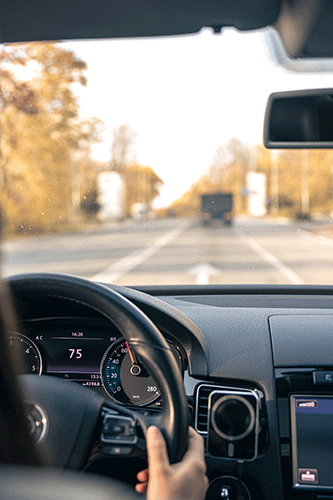
What If the Hit-and-Run Driver Was Uninsured?
If the driver is identified but does not have applicable liability insurance, your uninsured motorist coverage may potentially provide another source of recovery.
The same issue can arise when the responsible driver cannot be identified after leaving the scene.
Your insurance policy should be reviewed to determine what coverage applies and what procedures must be followed.
What If the Insurance Company Says There Is Not Enough Evidence?
Hit-and-run claims can present evidence problems because the person who allegedly caused the collision is not initially available to provide information.
An insurer may question:
- Whether the accident occurred as reported
- Whether the unidentified vehicle caused the collision
- Whether your injuries resulted from the accident
- Whether the claimed treatment was necessary
- Whether another event contributed to your injuries
- Whether your policy provides applicable coverage
That does not necessarily resolve the claim.
The available evidence should be gathered and evaluated as a whole. Police records, photographs, medical records, witnesses, video, vehicle damage, and other documentation may all contribute to establishing what happened.
What If the Insurance Company Says There Is Not Enough Evidence?

Hit-and-run claims can present evidence problems because the person who allegedly caused the collision is not initially available to provide information.
An insurer may question:
- Whether the accident occurred as reported
- Whether the unidentified vehicle caused the collision
- Whether your injuries resulted from the accident
- Whether the claimed treatment was necessary
- Whether another event contributed to your injuries
- Whether your policy provides applicable coverage
That does not necessarily resolve the claim.
The available evidence should be gathered and evaluated as a whole. Police records, photographs, medical records, witnesses, video, vehicle damage, and other documentation may all contribute to establishing what happened.
Injuries Commonly Associated With Hit-and-Run Accidents
The injuries from a hit-and-run collision can vary significantly depending on the circumstances.
Potential injuries include:
- Whiplash and other neck injuries
- Back injuries
- Spinal injuries
- Herniated or bulging discs
- Shoulder injuries
- Broken bones
- Concussions
- Traumatic brain injuries
- Nerve injuries
- Internal injuries
- Soft-tissue injuries
- Serious or catastrophic injuries
A collision does not need to look severe from the outside to cause significant physical harm.
If you develop pain, headaches, dizziness, numbness, weakness, or other symptoms after a crash, seek appropriate medical attention.
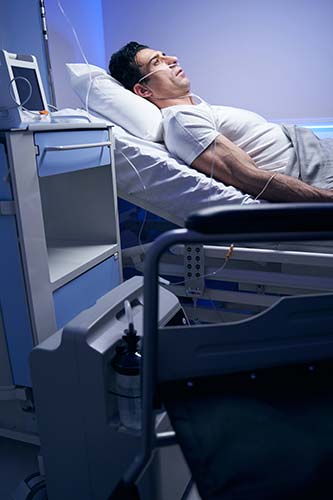
Injuries Commonly Associated With Hit-and-Run Accidents
The injuries from a hit-and-run collision can vary significantly depending on the circumstances.
Potential injuries include:
- Whiplash and other neck injuries
- Back injuries
- Spinal injuries
- Herniated or bulging discs
- Shoulder injuries
- Broken bones
- Concussions
- Traumatic brain injuries
- Nerve injuries
- Internal injuries
- Soft-tissue injuries
- Serious or catastrophic injuries
A collision does not need to look severe from the outside to cause significant physical harm.
If you develop pain, headaches, dizziness, numbness, weakness, or other symptoms after a crash, seek appropriate medical attention.
Compensation After a Pearland Hit-and-Run Accident
The losses potentially recoverable in a hit-and-run claim depend on the applicable law, insurance coverage, evidence, and circumstances of the accident.
Depending on the claim, compensation may potentially include losses associated with:
- Medical treatment
- Hospital and emergency care
- Diagnostic testing
- Prescription medications
- Physical therapy
- Future medical treatment
- Lost wages
- Reduced earning capacity
- Physical pain
- Mental anguish
- Physical impairment
- Disfigurement
- Loss of enjoyment of life
- Property damage
The available recovery can be affected by insurance policy limits and other factors. An attorney can review the available coverage and evidence before advising you about your options.
Compensation After a Pearland Hit-and-Run Accident

The losses potentially recoverable in a hit-and-run claim depend on the applicable law, insurance coverage, evidence, and circumstances of the accident.
Depending on the claim, compensation may potentially include losses associated with:
- Medical treatment
- Hospital and emergency care
- Diagnostic testing
- Prescription medications
- Physical therapy
- Future medical treatment
- Lost wages
- Reduced earning capacity
- Physical pain
- Mental anguish
- Physical impairment
- Disfigurement
- Loss of enjoyment of life
- Property damage
The available recovery can be affected by insurance policy limits and other factors. An attorney can review the available coverage and evidence before advising you about your options.
How Insurance Companies Handle Hit-and-Run Claims
When the responsible driver is unknown, your own insurer may be involved if you have applicable uninsured motorist coverage.
That does not mean the insurance company automatically agrees with every aspect of the claim.
The insurer may investigate the circumstances, request documentation, review medical treatment, and evaluate whether the policy provides coverage.
Keep copies of:
- Your insurance policy
- Claim correspondence
- Medical records
- Medical bills
- Police reports
- Photographs
- Repair estimates
- Wage-loss documentation
- Witness information
- Video or other evidence
Avoid discarding or altering potentially relevant evidence.

How Insurance Companies Handle Hit-and-Run Claims
When the responsible driver is unknown, your own insurer may be involved if you have applicable uninsured motorist coverage.
That does not mean the insurance company automatically agrees with every aspect of the claim.
The insurer may investigate the circumstances, request documentation, review medical treatment, and evaluate whether the policy provides coverage.
Keep copies of:
- Your insurance policy
- Claim correspondence
- Medical records
- Medical bills
- Police reports
- Photographs
- Repair estimates
- Wage-loss documentation
- Witness information
- Video or other evidence
Avoid discarding or altering potentially relevant evidence.

Texas's Two-Year Personal Injury Statute of Limitations
Texas Civil Practice and Remedies Code § 16.003 requires a personal injury action to be brought within two years after the cause of action accrues. However, many exceptions apply.
Insurance claims, uninsured motorist claims, and potential defendants, can involve additional policy requirements and shorter deadlines. Depending on the facts of your accident the deadlines can be much shorter.
Because missing a deadline can permanently bar your claim, you should seek the advice of an attorney as soon as possible. An attorney can help you determine which deadlines apply to your case before it is too late.
Why Hire a Pearland Hit-and-Run Accident Lawyer?
A hit-and-run claim can require investigation beyond simply determining which driver caused the collision.
The Law Office of James Zier, P.C. can help evaluate issues such as:
- What happened at the accident scene
- Whether the other vehicle can be identified
- Whether witnesses or video may exist
- What evidence should be preserved
- What insurance coverage may apply
- Whether uninsured or underinsured motorist coverage is available
- The nature and extent of your injuries
- Your medical expenses and other losses
- Whether the insurance company is disputing your claim
With more than 25 years of experience, Attorney James Zier will guide you through every step of the legal process, allowing you to focus on what matters most, your health and your recovery.

Why Hire a Pearland Hit-and-Run Accident Lawyer?
A hit-and-run claim can require investigation beyond simply determining which driver caused the collision.
The Law Office of James Zier, P.C. can help evaluate issues such as:
- What happened at the accident scene
- Whether the other vehicle can be identified
- Whether witnesses or video may exist
- What evidence should be preserved
- What insurance coverage may apply
- Whether uninsured or underinsured motorist coverage is available
- The nature and extent of your injuries
- Your medical expenses and other losses
- Whether the insurance company is disputing your claim
With more than 25 years of experience, Attorney James Zier will guide you through every step of the legal process, allowing you to focus on what matters most, your health and your recovery.
Frequently Asked Questions About
Pearland Hit-and-Run Accidents
Talk to a Pearland Hit-and-Run Accident Lawyer
If you were injured in a hit-and-run collision in Pearland, you may be dealing with both the consequences of the accident and the uncertainty of not knowing who caused it.
The Law Office of James Zier, P.C. can investigate the circumstances of your accident, identify available insurance coverage, and help you understand your legal options. We represent injured clients throughout Pearland, Houston, and surrounding communities.
Call (281) 485-3377 for a free consultation. There is no fee unless we recover compensation.
Were you injured in a hit-and-run accident? Call us at (281) 485-3377.
Were you injured in a hit-and-run accident? Call us at (281) 485-3377.