Pearland Head-On Collision Accident Lawyer
Injured in a Head-On Collision in Pearland?
A head-on collision occurs when the front of one vehicle strikes the front of another vehicle traveling in the opposite direction.
These crashes can be especially dangerous because the vehicles are moving toward each other before impact. Even when modern safety systems perform as designed, a head-on collision can produce substantial forces and serious injuries.
If another driver's negligence caused your head-on collision in Pearland or the Houston metro area, you may be entitled to pursue compensation for your injuries and other losses.
The Law Office of James Zier, P.C. represents people injured in serious motor vehicle wrecks in Pearland, Houston, and surrounding communities. Attorney James Zier brings more than 25 years of experience and remains personally involved in every client’s case.
Pearland Head-On Collision Accident Lawyer
Injured in a Head-On Collision in Pearland?
A head-on collision occurs when the front of one vehicle strikes the front of another vehicle traveling in the opposite direction.
These crashes can be especially dangerous because the vehicles are moving toward each other before impact. Even when modern safety systems perform as designed, a head-on collision can produce substantial forces and serious injuries.

If another driver's negligence caused your head-on collision in Pearland or the Houston metro area, you may be entitled to pursue compensation for your injuries and other losses.
The Law Office of James Zier, P.C. represents people injured in serious motor vehicle wrecks in Pearland, Houston, and surrounding communities. Attorney James Zier brings more than 25 years of experience and remains personally involved in every client’s case.
Call (281) 485-3377 for a free consultation.
What Is a Head-On Collision?
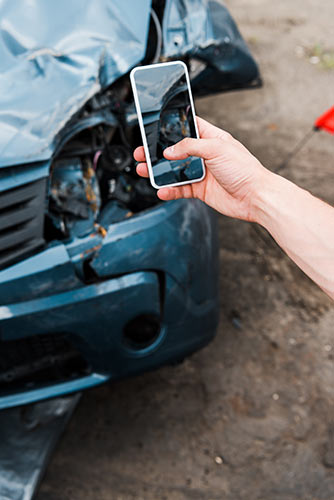
A head-on collision occurs when two vehicles traveling in opposite directions collide front-to-front or at an angle that produces a substantial frontal impact.
Head-on crashes can happen on:
- Two-lane roads
- Rural roads
- Highways
- Divided roadways
- Bridges
- Curves
- Entrance and exit areas
- Neighborhood streets
- Roads with turn lanes
The circumstances leading to the collision can be just as important as the impact itself.
A vehicle may cross the center line because a driver is distracted, impaired, fatigued, speeding, attempting an unsafe passing maneuver, or otherwise failing to maintain control.
Why Are Head-On Collisions So Dangerous?
In a head-on crash, the combined forces generated by two vehicles traveling toward one another can be substantial.
The severity of the resulting injuries can depend on:
- Speed of the vehicles
- Size and weight of the vehicles
- Angle of impact
- Whether either vehicle braked before impact
- Point of impact
- Vehicle safety systems
- Seat belt use
- Airbag deployment
- Whether a vehicle rolled over after the collision
- Whether the crash involved a secondary impact
A head-on collision can produce anything from relatively minor injuries to catastrophic trauma.
Why Are Head-On Collisions So Dangerous?

In a head-on crash, the combined forces generated by two vehicles traveling toward one another can be substantial.
The severity of the resulting injuries can depend on:
- Speed of the vehicles
- Size and weight of the vehicles
- Angle of impact
- Whether either vehicle braked before impact
- Point of impact
- Vehicle safety systems
- Seat belt use
- Airbag deployment
- Whether a vehicle rolled over after the collision
- Whether the crash involved a secondary impact
A head-on collision can produce anything from relatively minor injuries to catastrophic trauma.
Common Causes of Head-On
Collisions in Pearland
One of the most important questions in a head-on collision is why one vehicle entered the path of oncoming traffic.
If a driver crosses the center line without a lawful reason, that is significant evidence when determining responsibility for a crash.
A driver attempting to pass another vehicle may move into the path of oncoming traffic.
An investigation may examine:
- Whether passing was permitted
- Visibility
- The roadway configuration
- The location of the center line
- Traffic approaching from the opposite direction
- The speed of the passing vehicle
- Whether the driver had enough distance to complete the maneuver safely
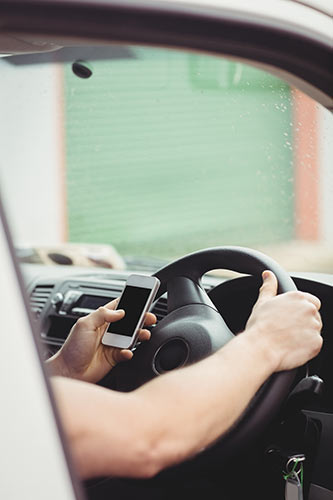
A driver looking at a phone, navigation system, passenger, or another distraction may drift across the roadway or fail to respond to approaching traffic.
Even a brief distraction can have serious consequences when vehicles are traveling toward one another. Visit Pearland Distracted Driving Accident Attorney for more information.
Alcohol, drugs, or other impairing substances can affect:
- Reaction time
- Judgment
- Lane position
- Speed
- Coordination
- Ability to recognize hazards
If impairment is suspected, evidence concerning the driver's condition and conduct may become an important part of the investigation. Visit Pearland Drunk Driving Accident Lawyer for more information about impaired driving.
A fatigued driver may have difficulty maintaining a lane or may fall asleep behind the wheel.
Evidence of fatigue can sometimes involve:
- Driving history
- Work schedules
- Hours awake
- Cellphone records
- Witness statements
- Statements made after the collision
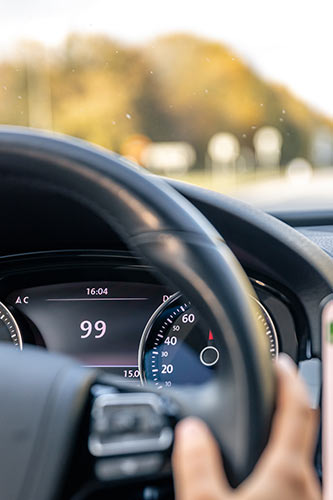
Speed can affect both the ability to avoid a collision and the severity of the resulting impact.
A driver traveling too fast for the circumstances may have less time to recognize an approaching vehicle, brake, or return safely to the correct lane.
A driver does not necessarily have to be using a cellphone to become inattentive.
Looking away from the roadway, reaching for an object, adjusting controls, or focusing on something outside the vehicle can result in a vehicle leaving its lane.
In some cases, a driver may lose control because of a sudden medical emergency.
Determining what actually happened can require more than simply observing that one vehicle crossed the center line.
Mechanical problems can also contribute to a loss of control.
Potential issues may include:
- Tire failure
- Steering problems
- Brake failure
- Defective components
- Improper maintenance
- Other mechanical failures
When appropriate, the vehicles involved may need to be inspected rather than immediately repaired or destroyed.
Common Causes of Head-On Collisions in Pearland
One of the most important questions in a head-on collision is why one vehicle entered the path of oncoming traffic.
If a driver crosses the center line without a lawful reason, that is significant evidence when determining responsibility for a crash.
A driver attempting to pass another vehicle may move into the path of oncoming traffic.
An investigation may examine:
- Whether passing was permitted
- Visibility
- The roadway configuration
- The location of the center line
- Traffic approaching from the opposite direction
- The speed of the passing vehicle
- Whether the driver had enough distance to complete the maneuver safely
A driver looking at a phone, navigation system, passenger, or another distraction may drift across the roadway or fail to respond to approaching traffic.
Even a brief distraction can have serious consequences when vehicles are traveling toward one another. Visit Pearland Distracted Driving Accident Attorney for more information.
Alcohol, drugs, or other impairing substances can affect:
- Reaction time
- Judgment
- Lane position
- Speed
- Coordination
- Ability to recognize hazards
If impairment is suspected, evidence concerning the driver's condition and conduct may become an important part of the investigation. Visit Pearland Drunk Driving Accident Lawyer for more information about impaired driving.
A fatigued driver may have difficulty maintaining a lane or may fall asleep behind the wheel.
Evidence of fatigue can sometimes involve:
- Driving history
- Work schedules
- Hours awake
- Cellphone records
- Witness statements
- Statements made after the collision
Speed can affect both the ability to avoid a collision and the severity of the resulting impact.
A driver traveling too fast for the circumstances may have less time to recognize an approaching vehicle, brake, or return safely to the correct lane.
A driver does not necessarily have to be using a cellphone to become inattentive.
Looking away from the roadway, reaching for an object, adjusting controls, or focusing on something outside the vehicle can result in a vehicle leaving its lane.
In some cases, a driver may lose control because of a sudden medical emergency.
Determining what actually happened can require more than simply observing that one vehicle crossed the center line.
Mechanical problems can also contribute to a loss of control.
Potential issues may include:
- Tire failure
- Steering problems
- Brake failure
- Defective components
- Improper maintenance
- Other mechanical failures
When appropriate, the vehicles involved may need to be inspected rather than immediately repaired or destroyed.
Head-On Collisions Caused by Unsafe Lane Changes
A driver may enter an opposing lane while changing lanes, passing, turning, or attempting to avoid another vehicle.
The investigation should consider the roadway layout and the driver's actions immediately before impact.
Evidence may include:
- Lane markings
- Vehicle positions
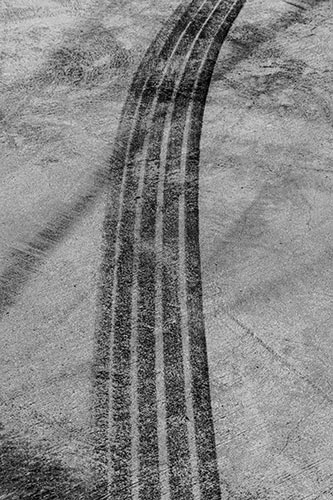
- Skid marks
- Debris
- Tire marks
- Dashcam footage
- Witness accounts
- Vehicle damage
- Traffic camera footage
Head-On Collisions Caused by Unsafe Lane Changes
A driver may enter an opposing lane while changing lanes, passing, turning, or attempting to avoid another vehicle.
The investigation should consider the roadway layout and the driver's actions immediately before impact.
Evidence may include:
- Lane markings
- Vehicle positions
- Skid marks
- Debris
- Tire marks
- Dashcam footage
- Witness accounts
- Vehicle damage
- Traffic camera footage
Head-On Collisions on Two-Lane Roads
Two-lane roads can be extra dangerous because opposing traffic may be separated only by painted roadway markings.
A driver who crosses the center line can quickly place an oncoming vehicle directly in the path of the vehicle.
Investigators may need to determine whether the driver:
- Drifted across the line
- Attempted to pass
- Lost control
- Swerved to avoid another hazard
- Was distracted
- Was impaired
- Experienced a mechanical problem
The location and configuration of the roadway can also matter.
Head-On Collisions Around Curves
A curve can reduce the amount of time a driver has to see an approaching vehicle.
An investigation may examine:
- The direction of the curve
- Sight distance
- Posted speed limit
- Road conditions
- Lane markings
- Vehicle speeds
- Whether a driver crossed the center line
- Whether another roadway hazard contributed to the collision

Head-On Collisions Around Curves
A curve can reduce the amount of time a driver has to see an approaching vehicle.
An investigation may examine:
- The direction of the curve
- Sight distance
- Posted speed limit
- Road conditions
- Lane markings
- Vehicle speeds
- Whether a driver crossed the center line
- Whether another roadway hazard contributed to the collision
Head-On Collisions Involving a Distracted Driver
Distracted driving can be particularly dangerous in a head-on collision because the driver may fail to recognize that the vehicle is leaving its lane.
Potential evidence may include:
- Cellphone records
- Text messages
- App activity
- Vehicle infotainment data
- Dashcam footage
- Witness statements
- Statements made by the driver
- Surveillance footage
Not every case will involve every type of evidence.
The goal is to determine what the driver was doing immediately before the collision and whether that conduct contributed to the crash.
Head-On Collisions Involving a Distracted Driver
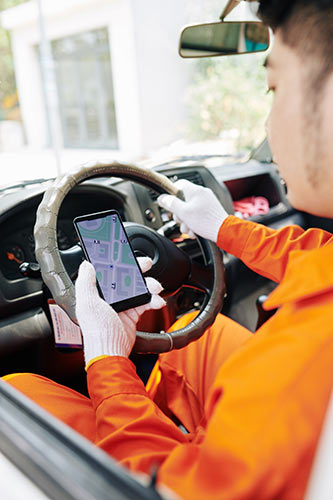
Distracted driving can be particularly dangerous in a head-on collision because the driver may fail to recognize that the vehicle is leaving its lane.
Potential evidence may include:
- Cellphone records
- Text messages
- App activity
- Vehicle infotainment data
- Dashcam footage
- Witness statements
- Statements made by the driver
- Surveillance footage
Not every case will involve every type of evidence.
The goal is to determine what the driver was doing immediately before the collision and whether that conduct contributed to the crash.
Head-On Collisions Involving a Drunk Driver
When drunk or impaired driving is suspected, evidence may include:
- Police observations
- Field sobriety testing
- Chemical testing
- Statements
- Witness accounts
- Video
- Bar or restaurant records when relevant
- Other evidence concerning alcohol consumption
A criminal investigation and a civil injury claim are separate matters, although evidence developed in one proceeding may sometimes be relevant in another.

Head-On Collisions Involving a Drunk Driver
When drunk or impaired driving is suspected, evidence may include:
- Police observations
- Field sobriety testing
- Chemical testing
- Statements
- Witness accounts
- Video
- Bar or restaurant records when relevant
- Other evidence concerning alcohol consumption
A criminal investigation and a civil injury claim are separate matters, although evidence developed in one proceeding may sometimes be relevant in another.
Common Injuries From
Head-On Collisions
Head-on collisions can cause many different types of injuries.
Potential injuries include:
- Traumatic brain injuries
- Concussions
- Skull and facial injuries
- Neck injuries
- Spinal cord injuries
- Back injuries
- Herniated or bulging discs
- Broken bones
- Rib fractures
- Chest injuries
- Internal injuries
- Abdominal injuries
- Pelvic injuries
- Hip injuries
- Leg injuries
- Arm injuries
- Shoulder injuries
- Nerve damage
- Severe lacerations
- Burns
- Amputations
- Permanent disabilities
The severity of an injury depends on the circumstances of the particular crash.
Common Injuries From Head-On Collisions
Head-on collisions can cause many different types of injuries.
Potential injuries include:
- Traumatic brain injuries
- Concussions
- Skull and facial injuries
- Neck injuries
- Spinal cord injuries
- Back injuries
- Herniated or bulging discs
- Broken bones
- Rib fractures
- Chest injuries
- Internal injuries
- Abdominal injuries
- Pelvic injuries
- Hip injuries
- Leg injuries
- Arm injuries
- Shoulder injuries
- Nerve damage
- Severe lacerations
- Burns
- Amputations
- Permanent disabilities
The severity of an injury depends on the circumstances of the particular crash.
A head-on impact can cause the head to strike a steering wheel, dashboard, airbag, window, or another part of the vehicle.
The sudden movement of the head and body can also result in a traumatic brain injury without an obvious external wound.
Symptoms can include:
- Headaches
- Dizziness
- Confusion
- Memory problems
- Difficulty concentrating
- Nausea
- Sensitivity to light or sound
- Balance problems
- Changes in mood
Some symptoms may not be immediately apparent after a collision.
If you experience possible signs of a head injury, seek appropriate medical attention.
A severe collision can damage the spinal cord or the structures surrounding it.
Spinal injuries can result in:
- Loss of sensation
- Weakness
- Loss of movement
- Chronic pain
- Reduced mobility
- Paralysis
- The need for extensive rehabilitation
- Permanent changes to daily life
A serious spinal injury can require significant medical care and long-term support.
The forces generated in a head-on crash can cause fractures involving the:
- Arms
- Legs
- Wrists
- Hands
- Ribs
- Pelvis
- Hips
- Feet
- Shoulders
Some fractures require surgery, immobilization, physical therapy, or extended rehabilitation.
Internal injuries may not always be immediately obvious.
A collision can cause damage to internal organs or internal bleeding.
Potential symptoms may include:
- Abdominal pain
- Chest pain
- Dizziness
- Weakness
- Fainting
- Shortness of breath
- Increasing pain
Anyone experiencing symptoms after a serious crash should seek medical attention promptly.

A head-on impact can cause the head to strike a steering wheel, dashboard, airbag, window, or another part of the vehicle.
The sudden movement of the head and body can also result in a traumatic brain injury without an obvious external wound.
Symptoms can include:
- Headaches
- Dizziness
- Confusion
- Memory problems
- Difficulty concentrating
- Nausea
- Sensitivity to light or sound
- Balance problems
- Changes in mood
Some symptoms may not be immediately apparent after a collision.
If you experience possible signs of a head injury, seek appropriate medical attention.
A severe collision can damage the spinal cord or the structures surrounding it.
Spinal injuries can result in:
- Loss of sensation
- Weakness
- Loss of movement
- Chronic pain
- Reduced mobility
- Paralysis
- The need for extensive rehabilitation
- Permanent changes to daily life
A serious spinal injury can require significant medical care and long-term support.
The forces generated in a head-on crash can cause fractures involving the:
- Arms
- Legs
- Wrists
- Hands
- Ribs
- Pelvis
- Hips
- Feet
- Shoulders
Some fractures require surgery, immobilization, physical therapy, or extended rehabilitation.
Internal injuries may not always be immediately obvious.
A collision can cause damage to internal organs or internal bleeding.
Potential symptoms may include:
- Abdominal pain
- Chest pain
- Dizziness
- Weakness
- Fainting
- Shortness of breath
- Increasing pain
Anyone experiencing symptoms after a serious crash should seek medical attention promptly.
What Evidence Can Prove Who Caused a Head-On Collision?
Head-on collisions can sometimes make liability appear obvious, but determining why a vehicle crossed into opposing traffic can require a detailed investigation.
Evidence may include:
Photographs can document:
- Vehicle positions
- Damage
- Roadway markings
- Tire marks
- Debris
- Road conditions
- Nearby signs
- Visibility
Independent witnesses may have seen:
- Which vehicle crossed the center line
- Whether a driver was passing
- Vehicle speeds
- Driver behavior
- The moments before impact
Some vehicles store information concerning events such as speed, braking, seat-belt status, or airbag deployment.
Whether such information exists and can be obtained depends on the vehicle and circumstances.
What Evidence Can Prove Who Caused a Head-On Collision?
Head-on collisions can sometimes make liability appear obvious, but determining why a vehicle crossed into opposing traffic can require a detailed investigation.
Evidence may include:
Photographs can document:
- Vehicle positions
- Damage
- Roadway markings
- Tire marks
- Debris
- Road conditions
- Nearby signs
- Visibility
Independent witnesses may have seen:
- Which vehicle crossed the center line
- Whether a driver was passing
- Vehicle speeds
- Driver behavior
- The moments before impact
Some vehicles store information concerning events such as speed, braking, seat belt status, or airbag deployment.
Whether such information exists and can be obtained depends on the vehicle and circumstances.
Accident Reconstruction
in a Head-On Collision
A serious head-on collision may require accident reconstruction to understand how the crash occurred.
An accident reconstruction investigation may consider:
- Vehicle damage
- Vehicle weights
- Roadway geometry
- Tire marks
- Debris
- Vehicle resting positions
- Photographs
- Video
- Electronic data
- Witness accounts
- Visibility
- Road conditions
- Speed estimates
The purpose is to develop an evidence based understanding of the collision.
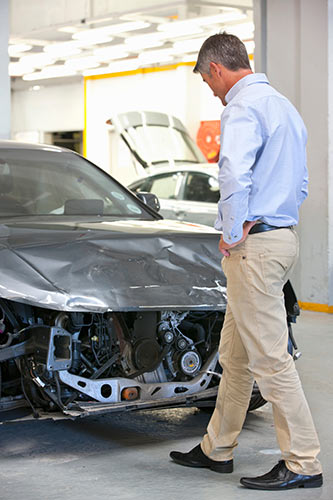
Accident Reconstruction in a Head-On Collision
A serious head-on collision may require accident reconstruction to understand how the crash occurred.
An accident reconstruction investigation may consider:
- Vehicle damage
- Vehicle weights
- Roadway geometry
- Tire marks
- Debris
- Vehicle resting positions
- Photographs
- Video
- Electronic data
- Witness accounts
- Visibility
- Road conditions
- Speed estimates
The purpose is to develop an evidence based understanding of the collision.
A driver's statement is only one piece of evidence.
If the drivers provide conflicting accounts, the investigation may examine physical evidence and independent sources of information.
Potential evidence includes:
- Vehicle damage
- Final vehicle positions
- Tire marks
- Debris fields
- Witnesses
- Video
- Roadway markings
- Electronic vehicle data
- Statements made immediately after the crash
The location of the vehicles after impact does not necessarily establish where they were at the precise moment of impact.
A head-on collision can involve disputed responsibility.
For example, one driver may have crossed the center line while the other driver may have been traveling at an excessive speed or otherwise contributed to the collision.
The facts and evidence should be evaluated before reaching conclusions about liability.
Speed can be important even when another driver's lane violation appears to be the primary cause of the crash.
Investigators may examine:
- Posted speed limits
- Road conditions
- Tire marks
- Vehicle damage
- Electronic vehicle data
- Witness observations
- Video footage
- Stopping distances
The significance of speed depends on the evidence and the circumstances of the collision.
An attempted passing maneuver can create a head-on collision when a driver enters the path of an approaching vehicle without sufficient time or distance to complete the maneuver safely.
The investigation may examine whether passing was permitted, visibility, roadway markings, the location of other vehicles, and what the driver could reasonably have seen before entering the opposing lane.
A vehicle may cross into opposing traffic because the driver was attempting to avoid:
- Another vehicle
- An animal
- Road debris
- A stopped vehicle
- A pedestrian
- Construction
- An obstruction
- Another unexpected hazard
That does not automatically determine liability.
The circumstances leading to the evasive maneuver must be examined, including whether another person or entity created the hazard.
A driver's statement is only one piece of evidence.
If the drivers provide conflicting accounts, the investigation may examine physical evidence and independent sources of information.
Potential evidence includes:
- Vehicle damage
- Final vehicle positions
- Tire marks
- Debris fields
- Witnesses
- Video
- Roadway markings
- Electronic vehicle data
- Statements made immediately after the crash
The location of the vehicles after impact does not necessarily establish where they were at the precise moment of impact.
A head-on collision can involve disputed responsibility.
For example, one driver may have crossed the center line while the other driver may have been traveling at an excessive speed or otherwise contributed to the collision.
The facts and evidence should be evaluated before reaching conclusions about liability.

Speed can be important even when another driver's lane violation appears to be the primary cause of the crash.
Investigators may examine:
- Posted speed limits
- Road conditions
- Tire marks
- Vehicle damage
- Electronic vehicle data
- Witness observations
- Video footage
- Stopping distances
The significance of speed depends on the evidence and the circumstances of the collision.
An attempted passing maneuver can create a head-on collision when a driver enters the path of an approaching vehicle without sufficient time or distance to complete the maneuver safely.
The investigation may examine whether passing was permitted, visibility, roadway markings, the location of other vehicles, and what the driver could reasonably have seen before entering the opposing lane.
A vehicle may cross into opposing traffic because the driver was attempting to avoid:
- Another vehicle
- An animal
- Road debris
- A stopped vehicle
- A pedestrian
- Construction
- An obstruction
- Another unexpected hazard
That does not automatically determine liability.
The circumstances leading to the evasive maneuver must be examined, including whether another person or entity created the hazard.
What Should I Do After a Head-On Collision?
If it is safe, photographs may document:
- Both vehicles
- Vehicle damage
- Roadway markings
- Tire marks
- Debris
- Traffic signs
- Road conditions
- Visible injuries
Save dashcam footage immediately.
If nearby businesses or residences may have surveillance footage, make a note of their locations.
After a traumatic crash, you may not know exactly what happened.
Avoid guessing about speed, distances, or other details when speaking with insurers or police.
Preserve records concerning:
- Medical treatment
- Medical bills
- Prescription medications
- Lost work
- Vehicle damage
- Insurance communications

What Should I Do After a Head-On Collision?
If it is safe, photographs may document:
- Both vehicles
- Vehicle damage
- Roadway markings
- Tire marks
- Debris
- Traffic signs
- Road conditions
- Visible injuries
Save dashcam footage immediately.
If nearby businesses or residences may have surveillance footage, make a note of their locations.
After a traumatic crash, you may not know exactly what happened.
Avoid guessing about speed, distances, or other details when speaking with insurers or police.
Preserve records concerning:
- Medical treatment
- Medical bills
- Prescription medications
- Lost work
- Vehicle damage
- Insurance communications
What Compensation May Be Available After a Head-On Collision?
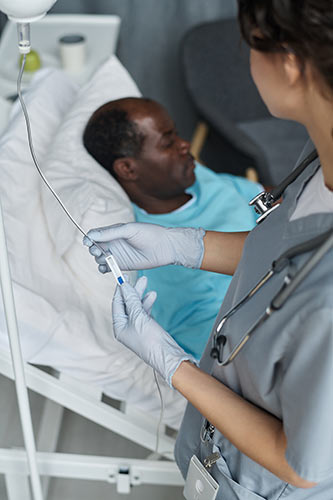
Depending on the circumstances and applicable law, an injury claim may involve damages such as:
- Emergency medical care
- Hospital treatment
- Surgery
- Rehabilitation
- Physical therapy
- Prescription medications
- Future medical care
- Lost wages
- Reduced earning capacity
- Physical pain
- Mental anguish
- Physical impairment
- Disfigurement
- Loss of enjoyment of life
- Property damage
The potential value of a claim depends on the evidence and the individual's actual losses.
Serious Head-On Collisions and Future Medical Care
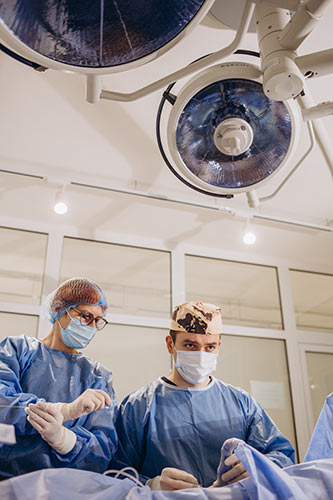
Some injuries require treatment long after the initial emergency care.
Future needs may include:
- Additional surgery
- Physical therapy
- Occupational therapy
- Rehabilitation
- Prescription medication
- Specialist care
- Assistive devices
- Home modifications
- Long-term medical monitoring
When future treatment is anticipated, it must be taken into account when evaluating the overall claim.
Serious Head-On Collisions and Future Medical Care
Some injuries require treatment long after the initial emergency care.
Future needs may include:
- Additional surgery
- Physical therapy
- Occupational therapy
- Rehabilitation
- Prescription medication
- Specialist care
- Assistive devices
- Home modifications
- Long-term medical monitoring
When future treatment is anticipated, it must be taken into account when evaluating the overall claim.
Head-On Collision Claims Involving Permanent Injuries
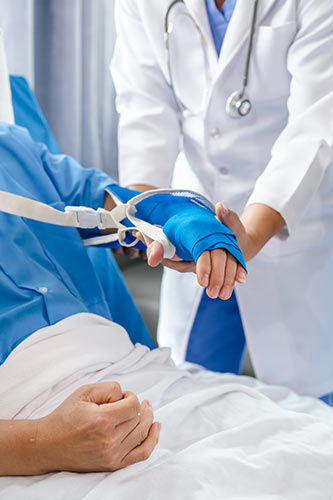
A permanent injury can affect much more than medical expenses.
It may affect:
- Ability to work
- Earning capacity
- Mobility
- Household activities
- Recreation
- Family responsibilities
- Independence
- Quality of life
Documentation of these effects can become important when evaluating a serious injury claim.
Head-On Collision Claims Involving Permanent Injuries
A permanent injury can affect much more than medical expenses.
It may affect:
- Ability to work
- Earning capacity
- Mobility
- Household activities
- Recreation
- Family responsibilities
- Independence
- Quality of life
Documentation of these effects can become important when evaluating a serious injury claim.
Head-on collisions can result in fatal injuries.
When a loved one dies because of another person's negligence, surviving family members may have a wrongful death claim and other legal rights under Texas law.
Wrongful death and survival claims can involve different legal issues from an ordinary personal injury claim.
If a family member died in a head-on collision, prompt legal advice is critical. Important deadlines depend on the specific facts and circumstances.
For more information about wrongful death lawsuits, see our Pearland Wrongful Death Attorney, Wrongful Death of a Spouse, Wrongful Death of a Child, and Wrongful Death of a Parent pages.
If the driver responsible for the head-on collision did not have applicable liability insurance, uninsured motorist coverage may provide another source of recovery.
Whether coverage applies depends on the insurance policy and the circumstances.
For more information, see our Pearland uninsured motorist accident lawyer page.
A severe head-on collision can produce substantial damages that exceed the at-fault driver's liability limits.
If you have underinsured motorist coverage, it may potentially provide additional protection.
The available recovery depends on the applicable policies, damages, liability, and other circumstances.
For more information, see our Pearland underinsured motorist accident lawyer page.
A head-on collision involving a commercial or employer owned vehicle can raise additional questions.
The investigation may need to determine:
- Who owned the vehicle
- Who employed the driver
- Whether the driver was working at the time
- Whether the driver was performing job duties
- Whether commercial insurance applies
- Whether additional parties may be responsible
These cases can involve more than one potentially applicable insurance policy.
Not every head-on collision is caused solely by driver conduct.
If a mechanical failure or defective component caused a vehicle to leave its lane, the potential claim may involve additional parties.
Possible issues can include:
- Tire defects
- Steering defects
- Brake problems
- Vehicle maintenance
- Manufacturing defects
- Improper repairs
Preserving the vehicles can be particularly important when a mechanical failure is suspected.
Head-on collisions can result in fatal injuries.
When a loved one dies because of another person's negligence, surviving family members may have a wrongful death claim and other legal rights under Texas law.
Wrongful death and survival claims can involve different legal issues from an ordinary personal injury claim.
If a family member died in a head-on collision, prompt legal advice is critical. Important deadlines depend on the specific facts and circumstances.
For more information about wrongful death lawsuits, see our Pearland Wrongful Death Attorney, Wrongful Death of a Spouse, Wrongful Death of a Child, and Wrongful Death of a Parent pages.
If the driver responsible for the head-on collision did not have applicable liability insurance, uninsured motorist coverage may provide another source of recovery.
Whether coverage applies depends on the insurance policy and the circumstances.
For more information, see our Pearland uninsured motorist accident lawyer page.
A severe head-on collision can produce substantial damages that exceed the at-fault driver's liability limits.
If you have underinsured motorist coverage, it may potentially provide additional protection.
The available recovery depends on the applicable policies, damages, liability, and other circumstances.
For more information, see our Pearland underinsured motorist accident lawyer page.
A head-on collision involving a commercial or employer owned vehicle can raise additional questions.
The investigation may need to determine:
- Who owned the vehicle
- Who employed the driver
- Whether the driver was working at the time
- Whether the driver was performing job duties
- Whether commercial insurance applies
- Whether additional parties may be responsible
These cases can involve more than one potentially applicable insurance policy.
Not every head-on collision is caused solely by driver conduct.
If a mechanical failure or defective component caused a vehicle to leave its lane, the potential claim may involve additional parties.
Possible issues can include:
- Tire defects
- Steering defects
- Brake problems
- Vehicle maintenance
- Manufacturing defects
- Improper repairs
Preserving the vehicles can be particularly important when a mechanical failure is suspected.
An insurance company may investigate:
- The police report
- Driver statements
- Witness statements
- Photographs
- Vehicle damage
- Medical records
- Video
- Roadway conditions
- Evidence concerning speed
- Other available evidence
In a serious collision, an insurer may also investigate whether another person or party contributed to the accident.
The insurer's initial determination is not the final word on liability.
A head-on crash can require investigation into several issues at the same time:
- Why did one vehicle enter opposing traffic?
- Was the driver distracted?
- Was the driver impaired?
- Was the driver fatigued?
- Was the driver attempting to pass?
- Was there a mechanical failure?
- Was another vehicle involved?
- Was there a roadway hazard?
- What were the vehicles' speeds?
- What injuries resulted?
- What insurance coverage is available?
The more serious the injuries and the more disputed the facts, the more important a thorough investigation can become.
The Law Office of James Zier, P.C. can investigate the circumstances of a serious head-on collision and pursue claims against responsible parties and applicable insurers.
Depending on the circumstances, that may involve:
- Reviewing the accident report
- Examining photographs and video
- Identifying witnesses
- Investigating roadway conditions
- Reviewing vehicle damage
- Investigating insurance coverage
- Evaluating medical records
- Documenting financial losses
- Evaluating potential future losses
- Communicating with insurance companies
- Negotiating a settlement
- Preparing the case for litigation when appropriate
Attorney James Zier has extensive experience dealing with head-on collisions and insurance companies. Unlike other firms, your case will never be handed off to a case manager or legal assistant.
Texas generally provides a two-year limitations period for personal injury lawsuits. However, there are many exceptions.
The applicable deadline depends on the parties involved and the specific facts of the case. You should speak with an attorney as soon as possible to determine the deadlines in your case.
An insurance company may investigate:
- The police report
- Driver statements
- Witness statements
- Photographs
- Vehicle damage
- Medical records
- Video
- Roadway conditions
- Evidence concerning speed
- Other available evidence
In a serious collision, an insurer may also investigate whether another person or party contributed to the accident.
The insurer's initial determination is not the final word on liability.
A head-on crash can require investigation into several issues at the same time:
- Why did one vehicle enter opposing traffic?
- Was the driver distracted?
- Was the driver impaired?
- Was the driver fatigued?
- Was the driver attempting to pass?
- Was there a mechanical failure?
- Was another vehicle involved?
- Was there a roadway hazard?
- What were the vehicles' speeds?
- What injuries resulted?
- What insurance coverage is available?
The more serious the injuries and the more disputed the facts, the more important a thorough investigation can become.

The Law Office of James Zier, P.C. can investigate the circumstances of a serious head-on collision and pursue claims against responsible parties and applicable insurers.
Depending on the circumstances, that may involve:
- Reviewing the accident report
- Examining photographs and video
- Identifying witnesses
- Investigating roadway conditions
- Reviewing vehicle damage
- Investigating insurance coverage
- Evaluating medical records
- Documenting financial losses
- Evaluating potential future losses
- Communicating with insurance companies
- Negotiating a settlement
- Preparing the case for litigation when appropriate
Attorney James Zier has extensive experience dealing with head-on collisions and insurance companies. Unlike other firms, your case will never be handed off to a case manager or legal assistant.
Texas generally provides a two-year limitations period for personal injury lawsuits. However, there are many exceptions.
The applicable deadline depends on the parties involved and the specific facts of the case. You should speak with an attorney as soon as possible to determine the deadlines in your case.
Frequently Asked Questions About Head-On Collisions
Talk to a Pearland Head-On Collision Accident Lawyer
A head-on collision can leave you facing serious injuries, extensive medical treatment, lost income, and uncertainty about what happens next.
If another driver's conduct caused your vehicle crash, the circumstances should be investigated carefully before you accept an insurance company's version of events or a settlement offer.
The Law Office of James Zier, P.C. represents people injured in serious motor vehicle collisions in Pearland and surrounding communities.
Attorney James Zier brings more than 25 years of legal experience to personal injury cases and remains personally involved throughout the representation. The firm offers free consultations and contingency fee representation, meaning there are no attorney fees unless compensation is recovered.
Were you injured in a Head-On Collision? Call (281) 485-3377 for a free consultation.
Our team is available 24/7/365.
Were you injured in a Head-On Collision? Call (281) 485-3377 for a free consultation. Our team is available 24/7/365.