Pearland T-Bone
Accident Lawyer
Injured in a T-Bone Accident in Pearland?
A T-bone accident occurs when the front of one vehicle strikes the side of another. Also called a side impact collision, a T-bone crash is particularly dangerous because the side of a vehicle provides less space between an occupant and the point of impact than the front or rear of the vehicle.
Many T-bone accidents happen at intersections. One driver may run a red light, fail to stop at a stop sign, turn left in front of oncoming traffic, or otherwise fail to yield the right-of-way.
If you were injured in a T-bone collision in Pearland, determining exactly how the crash occurred can be critical. The position of the vehicles, traffic signals, damage patterns, witness accounts, photographs, video, and other evidence may help establish which driver was responsible.
The Law Office of James Zier, P.C. represents people injured in motor vehicle collisions in Pearland, Houston, and surrounding communities. When you work with our firm, Founder and Managing Attorney James Zier brings more than 25 years of experience and remains personally involved in your case every step of the way.
Pearland T-Bone Accident Lawyer
Injured in a T-Bone Accident in Pearland?
A T-bone accident occurs when the front of one vehicle strikes the side of another. Also called a side impact collision, a T-bone crash is particularly dangerous because the side of a vehicle provides less space between an occupant and the point of impact than the front or rear of the vehicle.
Many T-bone accidents happen at intersections. One driver may run a red light, fail to stop at a stop sign, turn left in front of oncoming traffic, or otherwise fail to yield the right-of-way.
If you were injured in a T-bone collision in Pearland, determining exactly how the crash occurred can be critical. The position of the vehicles, traffic signals, damage patterns, witness accounts, photographs, video, and other evidence may help establish which driver was responsible.

The Law Office of James Zier, P.C. represents people injured in motor vehicle collisions in Pearland, Houston, and surrounding communities. When you work with our firm, Founder and Managing Attorney James Zier brings more than 25 years of experience and remains personally involved in your case every step of the way.
Call (281) 485-3377 for a free consultation. Our team is available 24/7.
What Is a T-Bone Accident?
A T-bone accident happens when one vehicle strikes the side of another vehicle, creating a roughly perpendicular impact.
For example, a driver traveling through an intersection may be struck in the driver's-side door by a vehicle traveling across the intersection.
The term "T-bone" describes the configuration of the vehicles at impact rather than identifying who caused the crash.
A T-bone collision can occur when:
- A driver runs a red light
- A driver runs a stop sign
- A driver fails to yield the right-of-way
- A driver turns left in front of oncoming traffic
- A driver enters an intersection when it is unsafe
- A driver makes an improper turn
- A distracted driver fails to notice cross traffic
- A driver is traveling too fast to stop safely
- Two drivers dispute who had the right-of-way
- A driver enters an intersection against a traffic control device
Why T-Bone Accidents Can Be So Dangerous
In a front end collision, the vehicle's front structure, hood, engine compartment, airbags, and other components may provide some distance between the occupants and the initial impact.
A side impact collision can provide less space between an occupant and the striking vehicle.
The risk can depend on many factors, including:
- Speed of the striking vehicle
- Location of the impact
- Whether the impact was on the driver's or passenger's side
- Size and weight of the vehicles
- Vehicle safety systems
- Whether side airbags deployed
- Whether occupants were properly restrained
- Whether the vehicle was stopped or moving
- The angle of impact
- Whether the collision caused a secondary impact
A T-bone crash can result in anything from relatively minor injuries to severe or catastrophic trauma.
Why T-Bone Accidents Can Be So Dangerous
In a front end collision, the vehicle's front structure, hood, engine compartment, airbags, and other components may provide some distance between the occupants and the initial impact.
A side impact collision can provide less space between an occupant and the striking vehicle.
The risk can depend on many factors, including:
- Speed of the striking vehicle
- Location of the impact
- Whether the impact was on the driver's or passenger's side
- Size and weight of the vehicles
- Vehicle safety systems
- Whether side airbags deployed
- Whether occupants were properly restrained
- Whether the vehicle was stopped or moving
- The angle of impact
- Whether the collision caused a secondary impact
A T-bone crash can result in anything from relatively minor injuries to severe or catastrophic trauma.
Common Causes of T-Bone
Accidents in Pearland
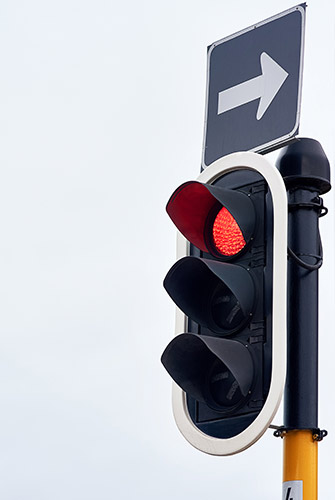
A driver who enters an intersection after the traffic signal has changed can collide with a vehicle traveling through the intersection with the right-of-way.
Red light collisions can be particularly difficult when the drivers provide conflicting accounts. Sometimes both drivers will claim they had a green light.
Not every T-bone collision involves a traffic light or stop sign.
A driver may enter an intersection without yielding to a vehicle that already has the right-of-way.
A driver making a left turn can cross directly into the path of an approaching vehicle.
Texas Transportation Code § 545.152 requires a driver turning left at an intersection to yield the right-of-way to an approaching vehicle that is in the intersection or sufficiently close to constitute an immediate hazard.
A driver looking at a cellphone, navigation system, passenger, or another distraction may fail to notice a traffic signal, stop sign, or approaching vehicle. Visit our Pearland Distracted Driving Accident Attorney page for more information.
Common Causes of T-Bone Accidents in Pearland
A driver who enters an intersection after the traffic signal has changed can collide with a vehicle traveling through the intersection with the right-of-way.
Red light collisions can be particularly difficult when the drivers provide conflicting accounts. Sometimes both drivers will claim they had a green light.
Not every T-bone collision involves a traffic light or stop sign.
A driver may enter an intersection without yielding to a vehicle that already has the right-of-way.
A driver making a left turn can cross directly into the path of an approaching vehicle.
Texas Transportation Code § 545.152 requires a driver turning left at an intersection to yield the right-of-way to an approaching vehicle that is in the intersection or sufficiently close to constitute an immediate hazard.
A driver looking at a cellphone, navigation system, passenger, or another distraction may fail to notice a traffic signal, stop sign, or approaching vehicle. Visit our Pearland Distracted Driving Accident Attorney page for more information.
Who Is at Fault in a T-Bone Accident?
The driver who was struck on the side is not automatically free from responsibility, and the driver who struck the side of another vehicle is not automatically liable in every situation.
Liability depends on the facts.
The investigation may examine:
- Which driver had the right-of-way
- The traffic signal at the time of the collision
- Whether either driver had a stop or yield sign
- Whether either vehicle was speeding
- Whether a driver was turning
- Whether a driver entered the intersection unlawfully
- Whether either driver was distracted
- Whether visibility was obstructed
- Whether either driver had time to avoid the collision
- Whether another vehicle contributed to the crash
Texas Transportation Code § 545.151 establishes specific right-of-way requirements for vehicles approaching and entering intersections.
All evidence must be examined rather than relying solely on the location of the damage.
Who Is at Fault in a T-Bone Accident?
The driver who was struck on the side is not automatically free from responsibility, and the driver who struck the side of another vehicle is not automatically liable in every situation.
Liability depends on the facts.
The investigation may examine:
- Which driver had the right-of-way
- The traffic signal at the time of the collision
- Whether either driver had a stop or yield sign
- Whether either vehicle was speeding
- Whether a driver was turning
- Whether a driver entered the intersection unlawfully
- Whether either driver was distracted
- Whether visibility was obstructed
- Whether either driver had time to avoid the collision
- Whether another vehicle contributed to the crash
Texas Transportation Code § 545.151 establishes specific right-of-way requirements for vehicles approaching and entering intersections.
All evidence must be examined rather than relying solely on the location of the damage.
How Do You Prove Who Caused a T-Bone Accident?
A T-bone crash can sometimes produce conflicting accounts of what happened.
One driver may say the traffic signal was green. The other driver may say his light was also green.
Evidence can help resolve those disputes.
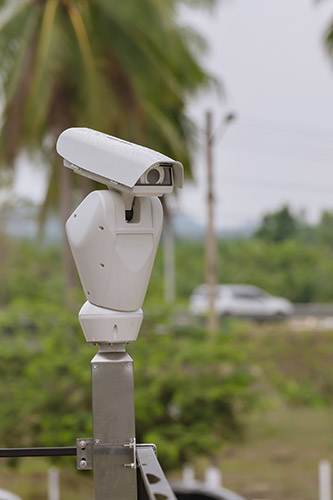
The responding officer may document statements from drivers and witnesses, road conditions, vehicle positions, and other information.
A police report can be useful evidence, but it is not the only evidence relevant to determining civil liability.
Traffic signals can become a central issue in a side-impact collision.
Questions may include:
- Which vehicle entered the intersection first?
- Which traffic signal applied to each vehicle?
- Was one driver turning?
- Was the signal red, yellow, or green?
- Did either driver enter after the signal changed?
- Was a driver already in the intersection?
- Were there witnesses?
- Was the collision captured on video?
Do not assume that the police report or either driver's initial statement answers every question.
If the circumstances are disputed, additional evidence may be necessary.
A stop sign collision can raise different right-of-way questions depending on the intersection.
Texas law provides specific requirements for drivers approaching intersections controlled by stop signs.
Evidence may include:
- The location of the stop signs
- Vehicle positions
- Witness statements
- Photographs
- Video footage
- Sight lines
- Skid marks
- Vehicle damage
- Statements made by the drivers
Left turn collisions are a common type of intersection crash.
A driver turning left must yield to an approaching vehicle that is in the intersection or close enough to constitute an immediate hazard. Texas Transportation Code § 545.152.
A left turn T-bone collision requires an examination of:
- The turning vehicle's position
- The approaching vehicle's speed and position
- Traffic signals
- Turn signals
- Visibility
- Whether either driver accelerated or slowed
- Whether the approaching vehicle had the right-of-way
- Whether another vehicle or obstruction affected visibility
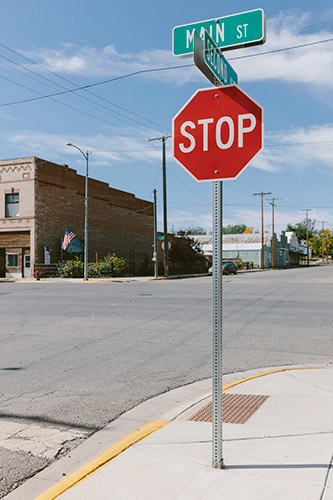
Traffic signals can become a central issue in a side-impact collision.
Questions may include:
- Which vehicle entered the intersection first?
- Which traffic signal applied to each vehicle?
- Was one driver turning?
- Was the signal red, yellow, or green?
- Did either driver enter after the signal changed?
- Was a driver already in the intersection?
- Were there witnesses?
- Was the collision captured on video?
Do not assume that the police report or either driver's initial statement answers every question.
If the circumstances are disputed, additional evidence may be necessary.
A stop sign collision can raise different right-of-way questions depending on the intersection.
Texas law provides specific requirements for drivers approaching intersections controlled by stop signs.
Evidence may include:
- The location of the stop signs
- Vehicle positions
- Witness statements
- Photographs
- Video footage
- Sight lines
- Skid marks
- Vehicle damage
- Statements made by the drivers
Left turn collisions are a common type of intersection crash.
A driver turning left must yield to an approaching vehicle that is in the intersection or close enough to constitute an immediate hazard. Texas Transportation Code § 545.152.
A left turn T-bone collision requires an examination of:
- The turning vehicle's position
- The approaching vehicle's speed and position
- Traffic signals
- Turn signals
- Visibility
- Whether either driver accelerated or slowed
- Whether the approaching vehicle had the right-of-way
- Whether another vehicle or obstruction affected visibility
Common Injuries From
T-Bone Accidents
The injuries resulting from a side impact collision depend on the circumstances and severity of the crash.
Potential injuries include:
- Head injuries
- Traumatic brain injuries
- Concussions
- Neck injuries
- Whiplash
- Back injuries
- Spinal cord injuries
- Herniated or bulging discs
- Shoulder injuries
- Arm and leg injuries
- Broken bones
- Rib and chest injuries
- Internal injuries
- Nerve damage
- Soft tissue injuries
- Lacerations
- Permanent disabilities
Some injuries may not be immediately apparent.
The adrenaline and stress following a collision can make it difficult to accurately assess how badly you have been hurt. Symptoms may become more noticeable hours or days after the accident.
If you experience pain, dizziness, headaches, numbness, weakness, or other symptoms after a T-bone accident, promptly seek medical attention.
Common Injuries From T-Bone Accidents
The injuries resulting from a side impact collision depend on the circumstances and severity of the crash.
Potential injuries include:
- Head injuries
- Traumatic brain injuries
- Concussions
- Neck injuries
- Whiplash
- Back injuries
- Spinal cord injuries
- Herniated or bulging discs
- Shoulder injuries
- Arm and leg injuries
- Broken bones
- Rib and chest injuries
- Internal injuries
- Nerve damage
- Soft tissue injuries
- Lacerations
- Permanent disabilities
Some injuries may not be immediately apparent.
The adrenaline and stress following a collision can make it difficult to accurately assess how badly you have been hurt. Symptoms may become more noticeable hours or days after the accident.
If you experience pain, dizziness, headaches, numbness, weakness, or other symptoms after a T-bone accident, promptly seek medical attention.
A collision directly into the driver's side can create a particularly dangerous situation because the occupant is close to the point of impact.
Potential injuries may involve:
- Head and facial injuries
- Neck injuries
- Shoulder injuries
- Chest injuries
- Arm injuries
- Hip and pelvic injuries
- Leg injuries
- Spinal injuries
The actual injuries depend on the vehicle, occupant position, impact speed, safety systems, and other circumstances.
A passenger seated near the point of impact can also suffer serious injuries.
If another vehicle strikes the passenger side, the investigation may consider:
- Where the passenger was seated
- Whether a side impact airbag deployed
- The location of the impact
- The force of the collision
- Vehicle intrusion into the passenger compartment
- Whether the passenger was properly restrained
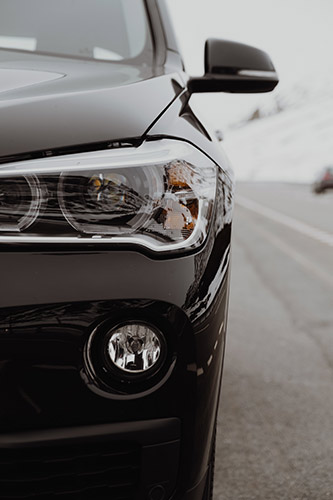
A collision directly into the driver's side can create a particularly dangerous situation because the occupant is close to the point of impact.
Potential injuries may involve:
- Head and facial injuries
- Neck injuries
- Shoulder injuries
- Chest injuries
- Arm injuries
- Hip and pelvic injuries
- Leg injuries
- Spinal injuries
The actual injuries depend on the vehicle, occupant position, impact speed, safety systems, and other circumstances.
A passenger seated near the point of impact can also suffer serious injuries.
If another vehicle strikes the passenger side, the investigation may consider:
- Where the passenger was seated
- Whether a side impact airbag deployed
- The location of the impact
- The force of the collision
- Vehicle intrusion into the passenger compartment
- Whether the passenger was properly restrained
Can a T-Bone Accident Cause a Traumatic Brain Injury?
Yes.
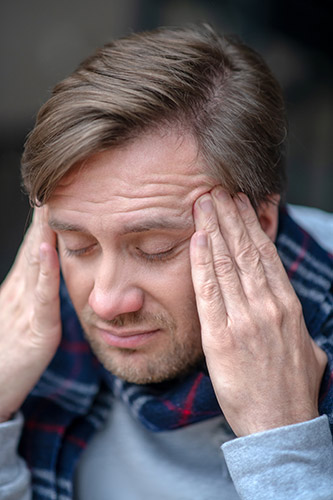
A side impact collision can cause an occupant's head to move suddenly or strike part of the vehicle. The resulting trauma can produce a concussion or other traumatic brain injury.
Symptoms can include:
- Headaches
- Dizziness
- Confusion
- Memory problems
- Sensitivity to light or noise
- Difficulty concentrating
- Nausea
- Changes in mood or behavior
Medical evaluation can be important because some brain injuries are not immediately obvious.
What Should You Do
After a T-Bone Accident?
If safe, photograph:
- Both vehicles
- Damage to the vehicles
- The intersection
- Traffic signals
- Stop signs
- Lane markings
- Road conditions
- Debris
- Skid marks
- Visible injuries

What Should You Do After a T-Bone Accident?
If safe, photograph:
- Both vehicles
- Damage to the vehicles
- The intersection
- Traffic signals
- Stop signs
- Lane markings
- Road conditions
- Debris
- Skid marks
- Visible injuries
Traffic light disputes are common after intersection collisions.
If both drivers claim they had a green light, evidence becomes particularly important.
Potential sources include:
- Independent witnesses
- Traffic camera footage
- Business surveillance
- Dashcam video
- Vehicle data and information
- Accident scene evidence
- Vehicle damage
- Statements made immediately after the collision
- Photographs
- Accident reconstruction
Do not assume that the other driver's statement resolves the issue.
An accident can involve responsibility on the part of more than one driver.
For example, one driver may have entered an intersection improperly while the other driver may have been traveling faster than conditions allowed.
Texas proportionate responsibility rules can affect the amount a claimant may recover when more than one person is responsible.
The specific percentages should be based on the evidence rather than assumptions made immediately after the crash.
If the driver who caused the T-bone collision did not have liability insurance, your own uninsured motorist coverage can provide another source of recovery.
Your policy should be reviewed to determine whether applicable UM coverage exists and what requirements apply.
For more information about this issue, see our Pearland UM accident lawyer page.
A serious T-bone collision can produce substantial medical expenses and other losses. If the at fault driver's liability limits are insufficient, underinsured motorist coverage can provide additional protection if you have applicable coverage.
The amount available depends on the applicable policies, your damages, and other legal and insurance considerations.
For more information about this issue, see our Pearland UIM accident lawyer page.
Traffic light disputes are common after intersection collisions.
If both drivers claim they had a green light, evidence becomes particularly important.
Potential sources include:
- Independent witnesses
- Traffic camera footage
- Business surveillance
- Dashcam video
- Vehicle data and information
- Accident scene evidence
- Vehicle damage
- Statements made immediately after the collision
- Photographs
- Accident reconstruction
Do not assume that the other driver's statement resolves the issue.
An accident can involve responsibility on the part of more than one driver.
For example, one driver may have entered an intersection improperly while the other driver may have been traveling faster than conditions allowed.
Texas proportionate responsibility rules can affect the amount a claimant may recover when more than one person is responsible.
The specific percentages should be based on the evidence rather than assumptions made immediately after the crash.
If the driver who caused the T-bone collision did not have liability insurance, your own uninsured motorist coverage can provide another source of recovery.
Your policy should be reviewed to determine whether applicable UM coverage exists and what requirements apply.
For more information about this issue, see our Pearland UM accident lawyer page.
A serious T-bone collision can produce substantial medical expenses and other losses. If the at fault driver's liability limits are insufficient, underinsured motorist coverage can provide additional protection if you have applicable coverage.
The amount available depends on the applicable policies, your damages, and other legal and insurance considerations.
For more information about this issue, see our Pearland UIM accident lawyer page.
Compensation After a Pearland T-Bone Accident
Depending on the facts and Texas law, an injury claim may involve compensation for losses such as:
- Emergency medical treatment
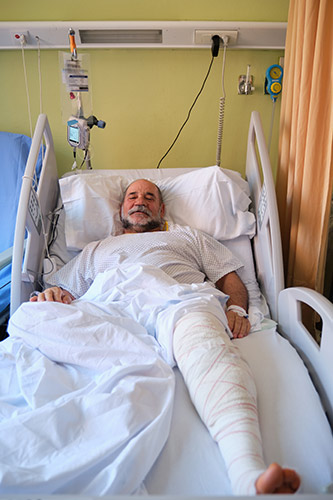
- Hospitalization
- Physician visits
- Diagnostic testing
- Prescription medications
- Physical therapy
- Rehabilitation
- Future medical treatment
- Lost wages
- Reduced earning capacity
- Physical pain
- Mental anguish
- Physical impairment
- Disfigurement
- Loss of enjoyment of life
- Property damage
An appropriate evaluation depends on the nature and severity of the injuries and the evidence supporting the claim.
Compensation After a Pearland T-Bone Accident
Depending on the facts and Texas law, an injury claim may involve compensation for losses such as:
- Emergency medical treatment
- Hospitalization
- Physician visits
- Diagnostic testing
- Prescription medications
- Physical therapy
- Rehabilitation
- Future medical treatment
- Lost wages
- Reduced earning capacity
- Physical pain
- Mental anguish
- Physical impairment
- Disfigurement
- Loss of enjoyment of life
- Property damage
An appropriate evaluation depends on the nature and severity of the injuries and the evidence supporting the claim.
Serious T-Bone Accidents and Long-Term Injuries
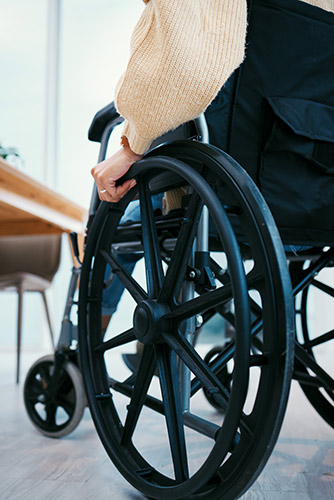
Some side impact collisions produce injuries that require months or years of treatment.
A serious injury may affect:
- Ability to work
- Ability to perform physical tasks
- Mobility
- Household responsibilities
- Recreation
- Family relationships
- Independence
- Future earning capacity
When injuries are permanent or require ongoing care, the claim needs to account for future medical expenses rather than only bills already incurred.
Serious T-Bone Accidents and Long-Term Injuries
Some side impact collisions produce injuries that require months or years of treatment.
A serious injury may affect:
- Ability to work
- Ability to perform physical tasks
- Mobility
- Household responsibilities
- Recreation
- Family relationships
- Independence
- Future earning capacity
When injuries are permanent or require ongoing care, the claim needs to account for future medical expenses rather than only bills already incurred.
How Insurance Companies Investigate T-Bone Accidents
An insurance company will investigate the circumstances of a T-bone collision before deciding whether to accept liability or make a settlement offer.
The investigation may consider:
- Police reports
- Driver statements
- Witnesses
- Photographs
- Vehicle damage
- Medical records
- Traffic signals
- Video footage
- Accident reconstruction
- Other available evidence
If liability is disputed, the insurer may argue that its policyholder had the right-of-way or that another driver contributed to the collision.
Do not assume that the first version of events provided to an insurance adjuster will determine the outcome.
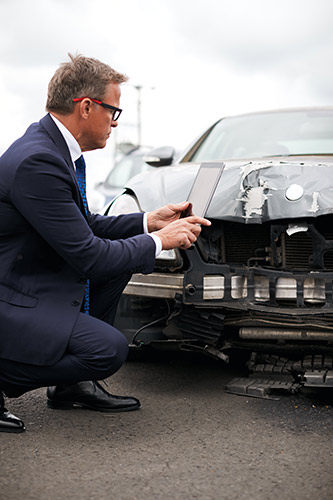
How Insurance Companies Investigate T-Bone Accidents
An insurance company will investigate the circumstances of a T-bone collision before deciding whether to accept liability or make a settlement offer.
The investigation may consider:
- Police reports
- Driver statements
- Witnesses
- Photographs
- Vehicle damage
- Medical records
- Traffic signals
- Video footage
- Accident reconstruction
- Other available evidence
If liability is disputed, the insurer may argue that its policyholder had the right-of-way or that another driver contributed to the collision.
Do not assume that the first version of events provided to an insurance adjuster will determine the outcome.

Preserve as much relevant evidence as possible.
This may include:
- Photographs
- Video
- Dashcam footage
- Police reports
- Witness information
- Medical records
- Medical bills
- Repair estimates
- Vehicle photographs
- Insurance documents
- Lost wage records
- Correspondence with insurers
- Text messages or other communications relating to the collision
If you believe nearby surveillance cameras captured the accident, identify the location as soon as possible. Some systems overwrite recordings after a limited period.
Deadlines and notice requirements vary depending on the specific facts and circumstances of your accident. Missing a legal deadline can permanently affect your rights. Because of this, it is critical to speak with an experienced car accident attorney as soon as possible to determine which deadlines apply to your case.
Why Hire a Pearland T-Bone Accident Lawyer?
A side impact collision can involve more than determining which vehicle struck the other.
The Law Office of James Zier, P.C. can investigate questions such as:
- Which driver had the right-of-way?
- What did the traffic signals show?
- Did a driver run a red light or stop sign?
- Was a driver turning left?
- Were witnesses present?
- Is surveillance footage available?
- What does the vehicle damage show?
- Did another factor contribute to the collision?
- What injuries did you suffer?
- What insurance coverage is available?
- What losses resulted from the accident?
Founder and Managing Attorney James Zier has more than 25 years of experience. He remains personally involved in your case from start to finish, and your case will never be handed off to a case manager or support staff.
The firm's personal injury practice offers free consultations and contingency fee representation, meaning attorney fees are not charged unless compensation is recovered.

Why Hire a Pearland T-Bone Accident Lawyer?
A side impact collision can involve more than determining which vehicle struck the other.
The Law Office of James Zier, P.C. can investigate questions such as:
- Which driver had the right-of-way?
- What did the traffic signals show?
- Did a driver run a red light or stop sign?
- Was a driver turning left?
- Were witnesses present?
- Is surveillance footage available?
- What does the vehicle damage show?
- Did another factor contribute to the collision?
- What injuries did you suffer?
- What insurance coverage is available?
- What losses resulted from the accident?
Founder and Managing Attorney James Zier has more than 25 years of experience. He remains personally involved in your case from start to finish, and your case will never be handed off to a case manager or support staff.
The firm's personal injury practice offers free consultations and contingency fee representation, meaning attorney fees are not charged unless compensation is recovered.
Frequently Asked Questions About T-Bone Accidents
Side impact collisions can cause neck and back injuries, traumatic brain injuries, broken bones, shoulder injuries, chest injuries, spinal injuries, internal injuries, and other serious trauma.
Yes. A side impact collision can cause the head to move suddenly or strike an object, resulting in a concussion or other traumatic brain injury.
Your own uninsured motorist coverage may provide protection, depending on your policy and the circumstances.
Underinsured motorist coverage may provide additional recovery when the at-fault driver's available liability insurance is insufficient, subject to the applicable policy and Texas law.
Talk to a Pearland T-Bone Accident Lawyer
If you were injured when another vehicle struck the side of your car, the circumstances of the collision deserve careful attention.
The Law Office of James Zier, P.C. can investigate the accident, review the evidence, evaluate available insurance coverage, and discuss your legal options. Attorney James Zier has more than 25 years of experience and will personally speak with you about your claim.
Call (281) 485-3377 for a free consultation.
If you were injured in a T-bone accident, call us at (281) 485-3377 to discuss your options. We’re available 24/7 to help you understand your rights and next steps.
If you were injured in a T-bone accident, call us at (281) 485-3377 to discuss your options. We’re available 24/7 to help you understand your rights and next steps.