Pearland Intersection
Accident Lawyer
Injured in an Intersection Accident in Pearland?
Intersections are among the most common locations for serious traffic collisions. Drivers approaching from different directions must respond to traffic signals, stop signs, yield signs, turning vehicles, pedestrians, and other traffic, all within a limited space.
When a driver fails to stop, yield, follow a traffic signal, or otherwise operate safely, the resulting collision can cause significant injuries and property damage.
If you were injured in an intersection accident in Pearland, determining who had the right-of-way and what each driver did immediately before the crash can be critical to your claim.
The Law Office of James Zier, P.C. represents people injured in car accidents in Pearland, Houston, and surrounding communities. Founder and Managing Attorney James Zier has more than 25 years of experience and remains personally involved in your case from start to finish.
Pearland Intersection Accident Lawyer
Injured in an Intersection Accident in Pearland?
Intersections are among the most common locations for serious traffic collisions. Drivers approaching from different directions must respond to traffic signals, stop signs, yield signs, turning vehicles, pedestrians, and other traffic, all within a limited space.
When a driver fails to stop, yield, follow a traffic signal, or otherwise operate safely, the resulting collision can cause significant injuries and property damage.

If you were injured in an intersection accident in Pearland, determining who had the right-of-way and what each driver did immediately before the crash can be critical to your claim.
The Law Office of James Zier, P.C. represents people injured in car accidents in Pearland, Houston, and surrounding communities. Founder and Managing Attorney James Zier has more than 25 years of experience and remains personally involved in your case from start to finish.
Call (281) 485-3377 for a free consultation.
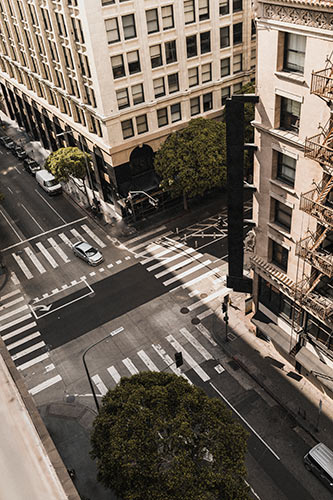
How Intersection Accidents Happen
Intersection crashes can happen for many different reasons. Common causes include:
- Running a red light
- Failing to stop at a stop sign
- Failing to yield
- Making an unsafe left turn
- Distracted driving
- Speeding
- Impaired driving
- Unsafe lane changes
- Aggressive driving
- Failing to see another vehicle
- Poor visibility
- Disregarding a pedestrian or bicycle
- Confusion about who has the right-of-way
The cause of an intersection collision is not always obvious. Two drivers may provide conflicting accounts, and important evidence can disappear quickly after a crash.
Who Has the Right-of-Way at a Pearland Intersection?
There is no single right-of-way rule that applies to every intersection.
The answer can depend on the type of intersection, traffic-control devices, the direction each vehicle was traveling, and whether a driver was turning.
Texas Transportation Code § 545.151 establishes rules concerning vehicles approaching or entering intersections, including certain requirements involving traffic control signals and uncontrolled intersections. Texas Transportation Code § 545.153 addresses stop and yield controlled intersections, while § 545.152 addresses left turns.
Determining who has the right-of-way requires looking at the specific circumstances of the collision rather than assuming that one driver was automatically responsible.
Who Has the Right-of-Way at a Pearland Intersection?
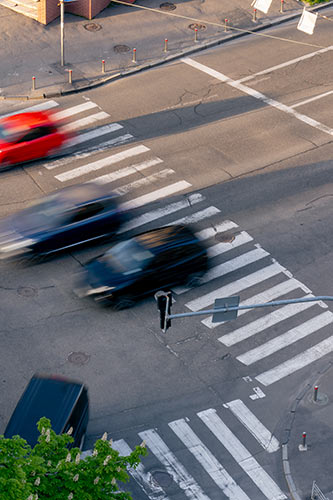
There is no single right-of-way rule that applies to every intersection.
The answer can depend on the type of intersection, traffic-control devices, the direction each vehicle was traveling, and whether a driver was turning.
Texas Transportation Code § 545.151 establishes rules concerning vehicles approaching or entering intersections, including certain requirements involving traffic control signals and uncontrolled intersections. Texas Transportation Code § 545.153 addresses stop and yield controlled intersections, while § 545.152 addresses left turns.
Determining who has the right-of-way requires looking at the specific circumstances of the collision rather than assuming that one driver was automatically responsible.
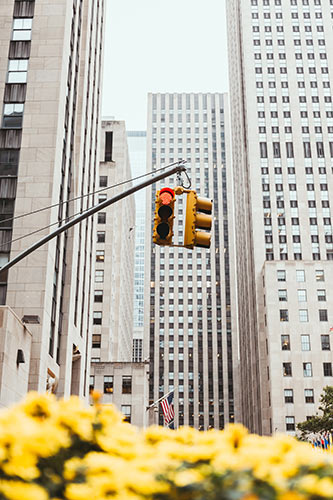
Common Types of Intersection Accidents
A driver who enters an intersection against a red light can collide with vehicles traveling through the intersection.
These crashes can become disputed when both drivers claim they had a green light.
Evidence that may help establish what happened includes:
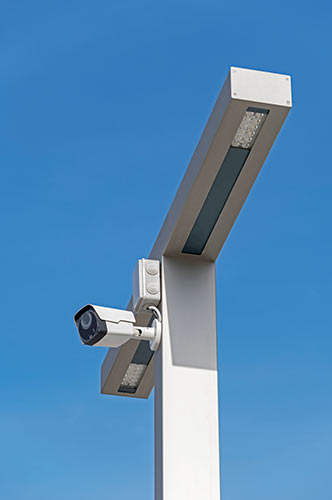
- Traffic camera footage
- Surveillance video
- Dashcam footage
- Independent witnesses
- Traffic signal information
- Vehicle positions
- Vehicle damage
- Statements made after the collision
Stop sign collisions commonly occur when a driver:
- Fails to stop
- Stops beyond the appropriate location
- Stops but fails to yield
- Enters the intersection too quickly
- Misjudges another vehicle's speed or distance
Texas law establishes specific stopping and right-of-way requirements at stop and yield controlled intersections.
A driver turning left may cross the path of an approaching vehicle.
Texas Transportation Code § 545.152 requires a driver making a left turn at an intersection to yield to an approaching vehicle that is in the intersection or close enough to constitute an immediate hazard.
A left turn collision may require an investigation into:
- The traffic signal
- The position of each vehicle
- Vehicle speeds
- The distance between the vehicles
- Whether either vehicle had already entered the intersection
- Visibility
- Witness accounts
At a T-intersection, one roadway ends where it meets another roadway.
The roadway configuration, signs, lane markings, and traffic controls can affect which driver has the right-of-way.
A driver entering onto the main roadway may need to stop or yield, but the specific circumstances must be examined.
Some intersections do not have traffic lights or stop signs.
These collisions can create particularly complicated right-of-way disputes because investigators may need to reconstruct which vehicle approached first, whether either vehicle was already in the intersection, and how quickly each vehicle was traveling.
Drivers sometimes change lanes near intersections to prepare for a turn or continue through an intersection.
An unsafe lane change can cause a collision with a vehicle traveling alongside or approaching from another lane.
Intersections can also be dangerous locations for pedestrians and cyclists.
A turning or crossing driver may fail to see a pedestrian or bicycle because of:
- Traffic
- Obstructions
- Poor lighting
- Weather
- Distractions
- Blind spots
- Failure to check the intended path
Evidence concerning crosswalks, pedestrian signals, traffic signals, visibility, and witness accounts can be important.
What If Both Drivers Say They Had a Green Light?
This is one of the most difficult types of intersection accident disputes.
Two drivers may honestly remember the collision differently, particularly after a traumatic event.
When accounts conflict, an investigation should look for objective evidence.
Potential sources include:
Nearby businesses, residences, parking facilities, traffic cameras, and other locations may have recorded the collision.
Surveillance footage can be particularly valuable because some systems automatically overwrite older recordings.
Dashcam video can show the traffic signal, surrounding vehicles, and events immediately before impact.
If you have dashcam footage, preserve the original file rather than relying on an edited or shortened version.
A witness who was not involved in the collision may have observed:
- The traffic signal
- Which vehicle entered first
- Whether a driver stopped
- Vehicle speeds
- Turning movements
- The collision itself
Damage to the vehicles, debris, tire marks, and final vehicle positions can provide information about how the collision occurred.
When available, signal timing and other information concerning the traffic control system may help establish which traffic movements were permitted at the relevant time.
What If Both Drivers Say They Had a Green Light?
This is one of the most difficult types of intersection accident disputes.
Two drivers may honestly remember the collision differently, particularly after a traumatic event.
When accounts conflict, an investigation should look for objective evidence.
Potential sources include:
Nearby businesses, residences, parking facilities, traffic cameras, and other locations may have recorded the collision.
Surveillance footage can be particularly valuable because some systems automatically overwrite older recordings.
Dashcam video can show the traffic signal, surrounding vehicles, and events immediately before impact.
If you have dashcam footage, preserve the original file rather than relying on an edited or shortened version.
A witness who was not involved in the collision may have observed:
- The traffic signal
- Which vehicle entered first
- Whether a driver stopped
- Vehicle speeds
- Turning movements
- The collision itself
Damage to the vehicles, debris, tire marks, and final vehicle positions can provide information about how the collision occurred.
When available, signal timing and other information concerning the traffic control system may help establish which traffic movements were permitted at the relevant time.
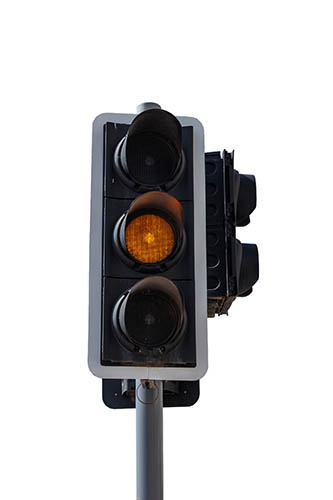
A yellow signal does not automatically establish who caused a collision.
The circumstances may include:
- How far the vehicle was from the intersection when the signal changed
- The vehicle's speed
- Whether the vehicle had already entered the intersection
- Traffic conditions
- Road conditions
- Whether the driver could safely stop
The timing and movement of both vehicles should be considered.
A malfunctioning traffic signal can introduce additional questions into an accident investigation.
Evidence may include:
- The condition of the signal
- Reports concerning the malfunction
- Maintenance records
- Witness statements
- Video footage
- Other drivers' observations
If a traffic control problem contributed to the collision, the circumstances should be investigated before responsibility is assigned.
A driver who enters an intersection against a red signal may be responsible for a resulting collision.
The challenge can be proving that the driver actually had a red light when entering the intersection.
If the drivers disagree, evidence such as video, witnesses, traffic signal information, and physical evidence can become important.
A driver approaching a stop sign has statutory obligations to stop and yield as required by Texas law.
The investigation may need to determine:
- Whether the driver stopped
- Where the vehicle stopped
- Whether another vehicle had already entered the intersection
- Which vehicle had the applicable right-of-way
- Whether the driver could see approaching traffic
- Whether witnesses or video are available
Left turn collisions require an examination of the vehicles' positions and movements immediately before impact.
Texas Transportation Code § 545.152 requires a driver making a left turn to yield to an approaching vehicle that is in the intersection or close enough to constitute an immediate hazard.
The investigation may consider:
- The traffic signal
- The location of each vehicle
- Vehicle speeds
- Visibility
- Distance between the vehicles
- Whether either vehicle had already entered the intersection
Being in the intersection does not, by itself, answer every question about responsibility.
The investigation should establish how each vehicle entered the intersection, what traffic controls applied, and what each driver did immediately before the collision.
Photographs, video, witness statements, and physical evidence may help reconstruct those events.
Determining responsibility generally involves examining the conduct of each driver and the circumstances surrounding the collision.
Evidence may include:
- Police reports
- Photographs
- Traffic signal information
- Stop sign and yield sign locations
- Surveillance footage
- Dashcam footage
- Witness statements
- Vehicle damage
- Tire marks
- Debris
- Electronic vehicle data
- Statements made by the drivers
The police report can be useful, but it is not necessarily the final determination of civil liability.
An intersection collision can involve more than one contributing factor.
For example, one driver may have failed to yield while another driver may have been traveling too fast to avoid the collision.
Texas has proportionate responsibility rules that can affect recovery when multiple parties share responsibility. In applicable cases, a claimant's recovery may be reduced according to the claimant's percentage of responsibility, and a claimant found more than 50% responsible generally cannot recover damages under Texas Civil Practice and Remedies Code Chapter 33.
The specific application depends on the facts and claims involved.
Left turn collisions require an examination of the vehicles' positions and movements immediately before impact.
Texas Transportation Code § 545.152 requires a driver making a left turn to yield to an approaching vehicle that is in the intersection or close enough to constitute an immediate hazard.
The investigation may consider:
- The traffic signal
- The location of each vehicle
- Vehicle speeds
- Visibility
- Distance between the vehicles
- Whether either vehicle had already entered the intersection
Being in the intersection does not, by itself, answer every question about responsibility.
The investigation should establish how each vehicle entered the intersection, what traffic controls applied, and what each driver did immediately before the collision.
Photographs, video, witness statements, and physical evidence may help reconstruct those events.
Determining responsibility generally involves examining the conduct of each driver and the circumstances surrounding the collision.
Evidence may include:
- Police reports
- Photographs
- Traffic signal information
- Stop sign and yield sign locations
- Surveillance footage
- Dashcam footage
- Witness statements
- Vehicle damage
- Tire marks
- Debris
- Electronic vehicle data
- Statements made by the drivers
The police report can be useful, but it is not necessarily the final determination of civil liability.
An intersection collision can involve more than one contributing factor.
For example, one driver may have failed to yield while another driver may have been traveling too fast to avoid the collision.
Texas has proportionate responsibility rules that can affect recovery when multiple parties share responsibility. In applicable cases, a claimant's recovery may be reduced according to the claimant's percentage of responsibility, and a claimant found more than 50% responsible generally cannot recover damages under Texas Civil Practice and Remedies Code Chapter 33.
The specific application depends on the facts and claims involved.
Common Injuries From
Intersection Accidents
The injuries caused by an intersection collision depend on factors such as vehicle speed, impact location, occupant position, restraints, and the severity of the crash.
Possible injuries include:
- Concussions
- Traumatic brain injuries
- Neck injuries
- Whiplash
- Back injuries
- Spinal injuries
- Broken bones
- Shoulder injuries
- Chest injuries
- Internal injuries
- Knee and leg injuries
- Arm and hand injuries
- Nerve injuries
- Soft-tissue injuries
- Permanent disabilities
Some injuries may not become fully apparent until hours or days after a collision.
Common Injuries From Intersection Accidents
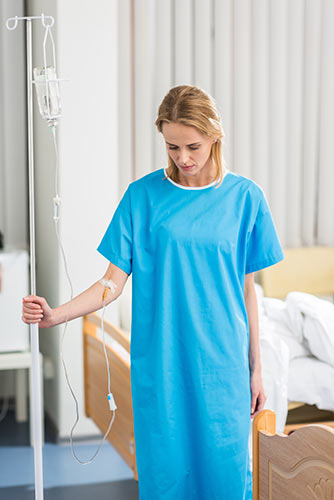
The injuries caused by an intersection collision depend on factors such as vehicle speed, impact location, occupant position, restraints, and the severity of the crash.
Possible injuries include:
- Concussions
- Traumatic brain injuries
- Neck injuries
- Whiplash
- Back injuries
- Spinal injuries
- Broken bones
- Shoulder injuries
- Chest injuries
- Internal injuries
- Knee and leg injuries
- Arm and hand injuries
- Nerve injuries
- Soft-tissue injuries
- Permanent disabilities
Some injuries may not become fully apparent until hours or days after a collision.
Serious Injuries and Long-Term Consequences
A serious intersection collision can affect a person's life long after the accident scene has been cleared.
Depending on the injury, a person may require:
- Emergency treatment
- Hospitalization
- Surgery
- Physical therapy
- Rehabilitation
- Prescription medication
- Follow-up care
- Long-term medical treatment
An injury can also affect a person's ability to work, participate in normal activities, care for family members, or enjoy hobbies and recreation.
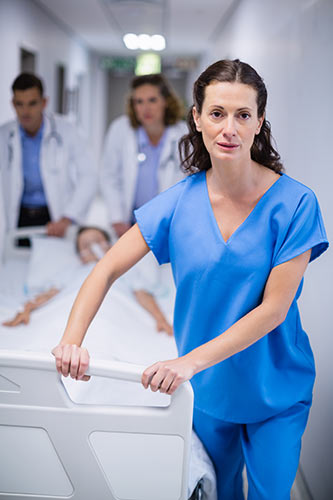
Serious Injuries and Long-Term Consequences
A serious intersection collision can affect a person's life long after the accident scene has been cleared.
Depending on the injury, a person may require:
- Emergency treatment
- Hospitalization
- Surgery
- Physical therapy
- Rehabilitation
- Prescription medication
- Follow-up care
- Long-term medical treatment
An injury can also affect a person's ability to work, participate in normal activities, care for family members, or enjoy hobbies and recreation.
What Should I Do After
an Intersection Accident?
If it is safe, photograph:
- The vehicles
- Vehicle damage
- Traffic lights
- Stop or yield signs
- Lane markings
- Crosswalks
- Road conditions
- Debris
- Visible injuries
Keep copies of:
- Medical records
- Medical bills
- Prescription records
- Lost wage documentation
- Insurance correspondence
- Vehicle repair records
- Photographs
What Should I Do After an Intersection Accident?
If it is safe, photograph:
- The vehicles
- Vehicle damage
- Traffic lights
- Stop or yield signs
- Lane markings
- Crosswalks
- Road conditions
- Debris
- Visible injuries
Keep copies of:
- Medical records
- Medical bills
- Prescription records
- Lost wage documentation
- Insurance correspondence
- Vehicle repair records
- Photographs
Evidence can become more difficult to obtain as time passes.
If possible, preserve:
- Photographs
- Dashcam footage
- Surveillance information
- Witness contact information
- Police reports
- Medical records
- Medical bills
- Vehicle repair records
- Insurance correspondence
- Employment records
- Photographs of injuries
If you know that a nearby business or residence has a camera facing the intersection, make a note of its location as soon as possible.
An intersection collision can happen in only a few seconds.
During that short period, several important events may occur:
- A traffic signal changes
- One vehicle enters the intersection
- Another vehicle begins a turn
- A driver brakes
- A vehicle changes lanes
- The vehicles collide
Afterward, the vehicles may have been moved, witnesses may leave, and surveillance systems may overwrite recordings.
That is why preserving evidence and determining the sequence of events can be important in a disputed intersection accident claim.
If the other vehicle was being used for work, additional questions may arise.
The investigation may need to determine:
- Who owned the vehicle
- Who employed the driver
- Whether the driver was working at the time
- Whether the driver was performing job duties
- Whether commercial insurance applies
- Whether another party may be legally responsible
A commercial vehicle collision can involve multiple insurance policies and potentially more than one responsible party.
Evidence can become more difficult to obtain as time passes.
If possible, preserve:
- Photographs
- Dashcam footage
- Surveillance information
- Witness contact information
- Police reports
- Medical records
- Medical bills
- Vehicle repair records
- Insurance correspondence
- Employment records
- Photographs of injuries
If you know that a nearby business or residence has a camera facing the intersection, make a note of its location as soon as possible.
An intersection collision can happen in only a few seconds.
During that short period, several important events may occur:
- A traffic signal changes
- One vehicle enters the intersection
- Another vehicle begins a turn
- A driver brakes
- A vehicle changes lanes
- The vehicles collide
Afterward, the vehicles may have been moved, witnesses may leave, and surveillance systems may overwrite recordings.
That is why preserving evidence and determining the sequence of events can be important in a disputed intersection accident claim.
If the other vehicle was being used for work, additional questions may arise.
The investigation may need to determine:
- Who owned the vehicle
- Who employed the driver
- Whether the driver was working at the time
- Whether the driver was performing job duties
- Whether commercial insurance applies
- Whether another party may be legally responsible
A commercial vehicle collision can involve multiple insurance policies and potentially more than one responsible party.
Intersection Accidents Involving Rideshare Drivers
A collision involving a rideshare driver can present additional insurance questions.
The applicable coverage may depend on what the driver was doing at the time, such as:
- Driving without being logged into the rideshare application
- Waiting for a ride request
- Traveling to pick up a passenger
- Transporting a passenger
The applicable insurance coverage depends on the circumstances and policies involved.
Intersection Accidents Involving Rideshare Drivers
A collision involving a rideshare driver can present additional insurance questions.
The applicable coverage may depend on what the driver was doing at the time, such as:
- Driving without being logged into the rideshare application
- Waiting for a ride request
- Traveling to pick up a passenger
- Transporting a passenger
The applicable insurance coverage depends on the circumstances and policies involved.
If the driver responsible for your intersection accident did not have liability insurance, your own uninsured motorist coverage may potentially provide another source of recovery.
Whether coverage applies depends on your policy and the circumstances of the collision.
For more information, see our Pearland uninsured motorist accident lawyer page.
A serious intersection collision can produce damages that exceed the other driver's liability limits.
If you have underinsured motorist coverage, it may potentially provide additional protection.
The amount and availability of coverage depend on the applicable policy, liability, damages, and other circumstances.
For more information, see our Pearland underinsured motorist accident lawyer page.
Depending on the circumstances and applicable law, an injury claim may involve damages for:
- Emergency medical care
- Hospital treatment
- Surgery
- Physical therapy
- Rehabilitation
- Prescription medications
- Future medical care
- Lost wages
- Reduced earning capacity
- Physical pain
- Mental anguish
- Physical impairment
- Disfigurement
- Loss of enjoyment of life
- Property damage
There is no standard amount for an intersection accident claim. The potential recovery depends on the specific injuries, losses, liability, evidence, insurance coverage, and other circumstances.
If the driver responsible for your intersection accident did not have liability insurance, your own uninsured motorist coverage may potentially provide another source of recovery.
Whether coverage applies depends on your policy and the circumstances of the collision.
For more information, see our Pearland uninsured motorist accident lawyer page.
A serious intersection collision can produce damages that exceed the other driver's liability limits.
If you have underinsured motorist coverage, it may potentially provide additional protection.
The amount and availability of coverage depend on the applicable policy, liability, damages, and other circumstances.
For more information, see our Pearland underinsured motorist accident lawyer page.
Depending on the circumstances and applicable law, an injury claim may involve damages for:
- Emergency medical care
- Hospital treatment
- Surgery
- Physical therapy
- Rehabilitation
- Prescription medications
- Future medical care
- Lost wages
- Reduced earning capacity
- Physical pain
- Mental anguish
- Physical impairment
- Disfigurement
- Loss of enjoyment of life
- Property damage
There is no standard amount for an intersection accident claim. The potential recovery depends on the specific injuries, losses, liability, evidence, insurance coverage, and other circumstances.
How Insurance Companies Investigate Intersection Accidents
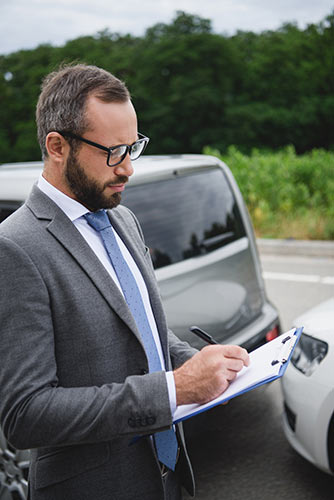
An insurance company may review:
- The police report
- Statements from the drivers
- Witness statements
- Photographs
- Vehicle damage
- Medical records
- Video
- Traffic control information
- Accident reconstruction
- Other available evidence
The insurer may also argue that its policyholder had the right-of-way or that another driver contributed to the collision.
An insurance company's position does not necessarily determine civil liability.
How Insurance Companies Investigate Intersection Accidents
An insurance company may review:
- The police report
- Statements from the drivers
- Witness statements
- Photographs
- Vehicle damage
- Medical records
- Video
- Traffic control information
- Accident reconstruction
- Other available evidence
The insurer may also argue that its policyholder had the right-of-way or that another driver contributed to the collision.
An insurance company's position does not necessarily determine civil liability.
If an insurer claims that you caused or contributed to the collision, the underlying evidence should be examined carefully.
Relevant questions may include:
- What traffic controls were in place?
- Which vehicle entered the intersection first?
- What did each driver do immediately before impact?
- Were either driver's actions captured on video?
- What do independent witnesses report?
- What does the physical evidence show?
- Were speed or visibility factors involved?
If multiple parties contributed to the accident, Texas proportionate responsibility rules may affect the claim.
The Law Office of James Zier, P.C. can investigate the circumstances of an intersection accident and pursue compensation from responsible parties and their insurance policies.
Depending on the circumstances, that may include:
- Reviewing the accident report
- Investigating the intersection
- Identifying witnesses
- Preserving available video evidence
- Reviewing traffic control devices
- Examining vehicle damage
- Evaluating medical records
- Documenting financial losses
- Investigating insurance coverage
- Communicating with insurance companies
- Negotiating a settlement
- Preparing the case for litigation when appropriate
Managing Attorney James Zier has more than 25 years of experience and has represented thousands of personal injury victims. He understands the tactics insurance companies use to undervalue claims and works tirelessly to protect his clients’ rights. James Zier and his team are committed to holding insurers accountable and pursuing the full value of every client’s claim.
If an insurer claims that you caused or contributed to the collision, the underlying evidence should be examined carefully.
Relevant questions may include:
- What traffic controls were in place?
- Which vehicle entered the intersection first?
- What did each driver do immediately before impact?
- Were either driver's actions captured on video?
- What do independent witnesses report?
- What does the physical evidence show?
- Were speed or visibility factors involved?
If multiple parties contributed to the accident, Texas proportionate responsibility rules may affect the claim.
The Law Office of James Zier, P.C. can investigate the circumstances of an intersection accident and pursue compensation from responsible parties and their insurance policies.
Depending on the circumstances, that may include:
- Reviewing the accident report
- Investigating the intersection
- Identifying witnesses
- Preserving available video evidence
- Reviewing traffic control devices
- Examining vehicle damage
- Evaluating medical records
- Documenting financial losses
- Investigating insurance coverage
- Communicating with insurance companies
- Negotiating a settlement
- Preparing the case for litigation when appropriate
Managing Attorney James Zier has more than 25 years of experience and has represented thousands of personal injury victims. He understands the tactics insurance companies use to undervalue claims and works tirelessly to protect his clients’ rights. James Zier and his team are committed to holding insurers accountable and pursuing the full value of every client’s claim.
Frequently Asked Questions
About Pearland Intersection Accidents
Your uninsured motorist coverage may potentially provide another source of recovery, depending on your policy and the circumstances.
Applicable underinsured motorist coverage may potentially provide additional recovery, depending on the policy and circumstances.
Talk to a Pearland Intersection Accident Lawyer
Intersection accidents can involve complicated questions about traffic signals, right-of-way, stop signs, turning movements, visibility, and the actions of each driver.
If you were injured in an intersection collision in Pearland, preserving evidence and investigating the circumstances promptly can be important, particularly when the drivers disagree about what happened.
The Law Office of James Zier, P.C. represents people injured in serious car accidents in Pearland, Houston, and surrounding communities.
Attorney James Zier has more than 25 years of experience fighting insurance companies. When representing injured people, he believes no defendant is too wealthy or powerful to be held accountable. The firm offers free consultations and contingency fee representation, meaning there are no attorney fees unless compensation is recovered.
Call (281) 485-3377 for a free consultation.
If you were injured in an intersection accident, call (281) 485-3377.
Our team is available 24/7.
If you were injured in an intersection accident, call (281) 485-3377. Our team is available 24/7.